The Best Plumbing Diagnostic Does More Than Find the Problem, It Explains the Next Step

Something drips behind a wall, or the pressure drops overnight, and the guessing starts. A plumbing diagnostic closes the gap between noticing trouble and knowing what to do about it. Finding the fault is half the work. The rest is explaining it in language that lets a homeowner decide what happens next.

What Separates a Real Evaluation from a Quick Look

Testing before Any Recommendation Lands: A thorough plumbing diagnostic checks pressure at several points, inspects shutoffs, and traces the fault to its source instead of the nearest symptom. Camera work inside a drain line shows what a flashlight never will. Photos come out before any repair gets suggested, so the homeowner sees exactly what the technician sees.

Related Systems Checked at the Same Visit: Hard water leaves deposits that mimic other faults, and a scaled fixture looks a lot like a failing valve. Water conditioning gets reviewed during the same visit because mineral buildup drives repeat repairs across an entire house. Skip that check and the same complaint comes back in eight months. Sometimes sooner.

Plain Language Beats a Technical Lecture

Findings Explained without the Jargon: Homeowners make better calls when the explanation matches how they already think about their house. Backflow prevention sounds like code-book language until someone points at the valve and explains what happens when contaminated water moves the wrong direction. Naming the part helps. Showing the wear on it helps a great deal more.

Options Presented without the Push: Fear sells fast and it sells badly. A plumbing diagnostic that ends with three routes and honest trade-offs leaves the decision where it belongs, at the kitchen table. Cheapest option first, most durable option last, and a straight answer on what each one buys in years of service.

  • Repair now, with an honest read on how much life the part has left
  • Replace, when the cost of repeated fixes passes the cost of the unit itself
  • Monitor it, since some faults move slowly and do not warrant a same-day call
  • Treat the cause upstream rather than the fixture that happened to show the symptom
  • Wait, then revisit after the next seasonal shift

Why the Follow-Up Matters as Much as the Finding

Written Findings the Household Can Revisit: Nobody remembers everything said during a stressful morning at the kitchen counter. Notes, photos, and a flat-rate figure in writing let a household talk it over before committing to anything. Evidence of pipe corrosion along a supply line reads very differently on paper than in a rushed verbal summary.

Timelines Set around Real Risk: A slab leak moves faster than a slow drip under a sink, and treating both as emergencies wastes money. Water conditioning belongs in the planned column, worth scheduling before the next round of scale damage instead of after it. That ranking is the part homeowners remember months later.

Walking Away Knowing Exactly Where Things Stand

The best visits end with a homeowner who understands the problem, the fix, and the cost before anyone touches a wrench. No pressure, no vague warnings about what might happen next winter. Call a highly trained plumbing team for a full diagnostic, look at the findings yourself, and pick the option that fits your house and your budget. Or call 833-628-6440 to schedule one directly.

Designing a Bathroom That Still Feels Right Ten Years From Now

A bathroom can look impressive on completion day yet feel awkward, fragile or unmistakably dated a few years later. The difference is rarely a particular tile or tap. It is usually the result of proportion, planning, material performance and decisions made with everyday use in mind.

A well-considered Timeless Bathrooms scheme creates a dependable foundation: a logical layout, durable sanitaryware, adaptable colours and enough character to feel personal. It does not need to be bland or exclusively traditional. Instead, it should allow easily changed details to evolve while the expensive, disruptive elements remain useful.

The strongest designs balance visual restraint with comfort. They account for ventilation, storage, lighting, cleaning and future accessibility as carefully as they consider appearance.

What Gives a Bathroom Lasting Style?

“Timeless” is not a decorating era. A Victorian-style bathroom, a minimalist wet room and a contemporary family bathroom can all have longevity if they share the same underlying qualities:

  • Correct scale and proportion.
  • Clear circulation and practical positioning.
  • Quality fittings that can be repaired or replaced.
  • Materials suited to moisture, heat and frequent cleaning.
  • A restrained composition with room for personality.

A fashionable room often depends on a recognisable moment: a heavily patterned surface, a distinctive metal finish or an unusual sanitaryware colour. There is nothing wrong with using these features, but permanent installations deserve more scrutiny than accessories. Ask whether the decision will still work if tastes change, the room’s users change or a replacement part is needed.

An adaptable foundation might include a standard-sized bath, widely available tap cartridges, neutral wall tiles and a vanity that can be repainted or refaced. Personality can then come through a mirror, artwork, textiles, lighting shades or a single accent wall. These elements are less expensive and disruptive to change than plumbing, waterproofing or floor finishes.

Build the Scheme Around Enduring Materials and Colours

A reliable palette does not have to mean white-on-white. Warm white, limestone, taupe, mushroom, soft grey and muted green are flexible because they sit comfortably with timber, stone, chrome and brass. Nature-inspired colours also tend to work well with daylight, which can vary considerably in UK bathrooms.

Classic tile formats remain dependable because their geometry is simple:

  • Metro tiles provide familiar proportions and can feel either traditional or contemporary depending on laying pattern and grout.
  • Zellige-style tiles add handmade variation, although their uneven surfaces require careful setting out and more considered cleaning.
  • Stone-effect porcelain offers the visual character of limestone or marble with lower porosity and generally simpler maintenance.
  • Restrained geometric tiles can add movement when used on a floor or limited feature area rather than every surface.

Natural stone has genuine depth and variation, but it may require sealing and suitable pH-neutral cleaners. Porcelain is highly durable and has very low water absorption, making it practical for floors, shower walls and large-format applications. Ceramic is often more economical and works well on walls, though product specifications must be checked before using it in wet or high-traffic locations. Engineered quartz or sintered surfaces can provide consistent worktops and splashbacks, but installation and cutting costs may be higher.

Texture is often more enduring than decoration. A softly undulating tile, honed stone-effect floor, ribbed cabinet front or subtly veined slab creates interest without dominating the room. Grout matters too: stark white grout can emphasise every joint and show dirt, while a close tonal match produces a calmer surface. Dark grout can frame a pattern effectively but may fade, effloresce or reveal limescale depending on the product and water hardness.

Bolder colours such as dusty pink, blue or olive work best when their scale is controlled. A painted ceiling, vanity, niche or half-height wall can deliver character while leaving the main envelope adaptable. In a small cloakroom, a stronger colour may be suitable across the whole room because the space is less likely to be visually overwhelming.

Choose Fittings That Balance Classic Character with Modern Comfort

Sanitaryware should be selected as a collection, not as isolated purchases. Contemporary suites usually favour clean lines and concealed plumbing. Traditional designs use visible detailing, raised cisterns or shaped ceramics. Modern-heritage products combine classic silhouettes with current dimensions, efficient flushing and thermostatic controls.

Consider the room before choosing the style:

  • A freestanding bath can become a focal point in a generous room, but it needs clearance for cleaning and may complicate access to pipework.
  • A fitted bath uses space efficiently and can incorporate a shower screen, storage panel or tiled deck.
  • A wall-hung toilet gives a lighter appearance and makes floor cleaning easier, but the supporting frame and cistern must be correctly installed behind the wall.
  • A pedestal basin suits traditional settings and smaller rooms, although it provides little storage.
  • A vanity unit conceals toiletries and pipework, but its depth and door swing must not compromise circulation.

Tap finishes strongly influence character. Chrome is durable, widely available and easy to coordinate. Polished nickel has a warmer, softer reflection, while brushed brass and aged brass introduce heritage character. Finishes vary in coating quality, so care instructions should be followed; abrasive cleaners can damage even premium surfaces. If mixing metals, repeat each finish deliberately rather than introducing several unrelated tones.

Practical upgrades need not look high-tech. A concealed cistern, thermostatic shower valve, anti-scald protection, soft-close hinges and efficient flush mechanism can all support a classic visual language. Allow access to serviceable components, particularly valves, pumps and concealed plumbing. A beautiful fitting that cannot be maintained without removing tiles is a poor long-term choice.

Proportion is the final test. A large basin with a tiny tap, an oversized bath in a narrow room or substantial furniture beneath a delicate basin can make the scheme feel assembled rather than designed. Draw the room to scale, including door swings, radiator projection and shower-screen movement.

Make the Layout, Storage and Lighting Work for Everyday Life

A durable design begins with the plan. Keep the route between the door, basin, toilet and shower clear. Avoid placing the toilet as the first visual object where possible, and check that drawers can open without striking sanitaryware. Relocating drainage can substantially increase labour, so retaining existing soil-pipe positions may be sensible if the current arrangement is fundamentally sound.

In compact UK bathrooms and en suites, space-saving measures include:

  • Wall-hung furniture that preserves visible floor area.
  • Sliding or folding shower doors where a hinged door would obstruct circulation.
  • Mirrored cabinets that combine reflection, lighting and storage.
  • Recessed niches designed during waterproofing rather than cut into finished tilework.
  • Slim-depth basins and tall storage in unused vertical space.

Storage should support routines, not merely hide clutter. Keep daily products near the basin and shower, with less frequently used items elsewhere. Bespoke joinery can use awkward eaves or chimney-breast recesses, but moisture-resistant boards, sealed edges and suitable ventilation are essential.

Lighting is most effective in layers:

  • Ambient lighting provides general illumination through ceiling fittings or concealed sources.
  • Task lighting at the mirror should minimise shadows, ideally with vertical illumination or balanced light on both sides of the face.
  • Accent lighting beneath furniture, within niches or behind mirrors adds depth and a calmer evening atmosphere.

Use suitable bathroom-rated fittings in zones defined by electrical regulations, with installation by a qualified electrician. Colour temperature around 2700–3000K often feels warmer and more relaxing than very cool white, while a high colour-rendering index helps with grooming and makeup.

Long-term quality also depends on extraction, heating and waterproofing. A properly sized extractor should run-on after use and discharge effectively, not simply recirculate damp air. Heated towel rails should not replace adequate room heating. Tanking systems, wet-room falls, flexible seals and compatible substrates must be installed according to manufacturer specifications. Where future mobility is a concern, allow generous shower access, consider reinforced walls for grab rails and avoid unnecessary level changes.

Create a Timeless Look Without Making It Feel Plain

The most successful schemes often combine one heritage reference with cleaner contemporary elements. Panelled cabinetry can sit alongside a frameless shower enclosure. A traditional basin may work with a simple round mirror and concealed shower controls. Period-inspired taps can gain freshness from plain porcelain and restrained grout lines.

Decorative features are strongest when given visual space:

  • Fluted or reeded fronts on one vanity add texture without turning every surface into a pattern.
  • A patterned floor can anchor an otherwise quiet room.
  • A framed mirror introduces furniture-like character above a simple basin.
  • Wall panelling can provide warmth in a cloakroom, provided materials and paint systems are suitable for humid conditions.

Mixed metals can be effective, but repetition creates order. For example, brushed brass might appear on taps, mirror detailing and one light fitting, while chrome is reserved for less prominent technical components. Layering timber tones, woven accessories, ceramic texture and soft textiles can produce warmth without visual noise.

Several choices commonly make bathrooms date quickly:

  • Matching every fitting, tile and accessory in one conspicuous finish.
  • Using a trend-heavy pattern across all walls and floors.
  • Choosing poor-quality imitation marble or timber with repetitive printing.
  • Prioritising appearance over access to valves, traps and electrical equipment.
  • Filling a small room with oversized sanitaryware.

A useful decision framework is to divide the project into three groups.

Invest in permanent elements: layout, waterproofing, ventilation, drainage, sanitaryware, tile quality and workmanship.

Keep adaptable: paint, mirrors, handles, shower curtains, towels, artwork and smaller lighting accessories.

Test every choice: Is it comfortable? Can it be cleaned? Can it be repaired? Will replacement products remain available? Does it suit the room’s scale and the building’s character?

A bathroom designed this way can still reflect current taste without being trapped by it. Its lasting appeal comes from sound decisions beneath the surface, carefully controlled character and the freedom to change smaller details as life—and style—moves on.


Error Message in a Screenshot: An OCR App for MacBook Download for Developers

A bug report lands in your inbox at 6 p.m., and the only clue is a blurry screenshot of a red error banner. You squint, you zoom, and you start typing the message into a search bar letter by letter. Somewhere around the twentieth character you mistype a bracket, and the search returns nothing useful. An OCR app for MacBook download can save you from that whole routine, because it turns the pixels into text you can paste in a second or two.

SnipVault handles this as part of a clipboard manager, so the OCR app for the MacBook download you install also keeps a searchable record of everything you copy. It comes from an independent developer, runs on macOS 13 or later, and works on both Intel and Apple Silicon machines.

How Screenshot OCR Works on a MacBook

The steps are short, which is probably the point.

  1. Press ⇧⌘2.
  2. Drag a box around the error message.
  3. Paste the text wherever you need it.

That is the whole process. The text goes straight to your clipboard, ready for a search engine, a ticket, or a terminal.
Apple’s Vision framework does the reading on your Mac itself. Nothing gets sent to a server, which matters if that screenshot also shows internal URLs or a customer’s name.

Reading Text Where Live Text Stops

Live Text already exists on macOS, so you might wonder why you would need anything more. Fair question.
 Live Text works well on photos and some images. It has gaps, though, and developers tend to run into them often. Those gaps are a big reason people go looking for an OCR app for Mac download in the first place. SnipVault can grab text from:

  • A paused frame of a screen recording or demo video
  • A PDF log that someone exported as a scanned image
  • An app window that won’t let you select its text, such as an error dialog

QR codes work too. Drag over one, and you get its text, which is handy when a staging URL comes through as a QR image on a slide.

Finding Last Week’s Error Again

SnipVault keeps both the screenshot and the extracted text in its vault. So suppose a timeout error shows up on Monday, disappears, and then returns on Friday. You open the palette with ⇧⌘V, type part of the message, and Monday’s screenshot appears next to its text. You can then compare the two and check whether it is the same failure or just a similar one.

SnipVault also watches your Screenshots folder. Screenshots you take with the regular macOS shortcut become searchable as well, even if you forgot to grab the text at the time. That kind of searchable history is what sets it apart from a basic OCR app for Mac download that only reads text once and forgets it.

What to Do Next

Take the most annoying screenshot in your downloads folder, the one with the error you never managed to copy. Install SnipVault, press ⇧⌘2, and see what comes out.

The free trial lasts 7 days, and you don’t need a credit card to start.

Criminal Lawyers in Toronto: What Happens Between Your Arrest and Your First Court Date

The officer hands you a few sheets of paper, points to a date several weeks away, and the station door opens behind you. For a while after that, nothing seems to happen, and the quiet can feel stranger than the arrest itself. Those weeks still count. Criminal lawyers in Toronto often say the gap between release and the first appearance in court is where people make avoidable mistakes, mostly because nobody told them the clock had already started.

So what fills that gap? Mostly paperwork, a trip back to the police station, and rules you now have to follow. Once you know the order, the stretch before court feels less like waiting and more like preparing. It also gives criminal lawyers in Toronto time to get ahead of the Crown instead of catching up.

Reading Your Release Papers After an Arrest in Toronto

Start with the document itself. People tend to fold it into a pocket and forget it, which is a mistake. The Ontario Court of Justice describes two common ways police release you:

  • An appearance notice, which requires you to attend court on a later date
  • An undertaking to a police officer, which adds conditions you must obey until the case ends

The paper lists the date, time, and courtroom for your first appearance. It may also list a separate date for fingerprinting. Photograph every page the same day.

Fingerprinting Comes Before Court

That fingerprint date surprises people. It usually falls before the court date, at a police station, and skipping it is its own criminal offence under the Criminal Code.

One reader’s reaction, which comes up often in these situations, sums it up: “I thought fingerprints were something that happened at the end.” Not here. Treat it like a second court date.

Release Conditions Apply from the Moment You Sign

Conditions on an undertaking start right away. They don’t wait for a judge to review them. A curfew, a no-go zone, or a ban on contacting certain people all apply that same night.

Here is where it gets tricky. A breach leads to a separate charge, and that charge can stick even if the original one falls apart. If a condition makes work or family life impossible, a lawyer can ask the Crown to agree to a change. Without that agreement, the next route is a bail review.

Your First Court Date in Toronto Is Shorter Than You Think

Most people expect a hearing and get something closer to a check-in. The court deals with disclosure, whether you have applied for legal aid, and whether you have a lawyer or will represent yourself. Nobody hears evidence.

At the end, the judge sets the next date and says what each side must do before then. Write it down. If you miss a date, the court may issue a warrant for your arrest, and you can face a new charge for failing to appear.

Next steps, then. Keep your papers in one place, keep the fingerprint date, and follow every condition exactly as written. What would you want a lawyer to know about your case before the Crown’s version reaches them?

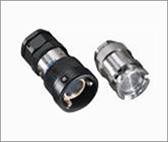
Todo Coupling Gives Fluid Transfer Systems a Cleaner Way to Connect and Disconnect

Many spills at a transfer point happen in the few seconds after a hose comes off. Residue drains from the open end of the hose onto the floor. Sometimes onto someone’s boots. A Todo coupling closes off both halves of the connection before they separate, so the line comes away sealed and the work area stays dry.

Where the Mess Stops at the Transfer Point

Sealed Ends on Every Disconnect: A Todo coupling carries a valve in each half, and those valves stay shut until the connection is locked. Reverse the turn and both valves close on their own, a moment before the halves come apart. What stays behind is a thin film on the valve faces. With toxic media, that counts.

Cleaner Runs for Aggressive Chemicals: A Teflon hose resists acids and solvents that would break down ordinary rubber lines, which makes it a natural partner for a dry disconnect coupling on chemical duty. Hose changes stop being a clean-up job. Operators spend less time wiping residue in protective gear, and the next batch stays free of leftovers.

Fifteen Degrees to Lock and a Full Circle to Swivel

One Short Turn to Lock: The coupling locks with a 15-degree turn, made in one movement. Threaded unions need several full turns, and each one can twist the hose along its length. Repeat that every shift and torsional stress builds in the reinforcement, showing up later as cracks near the fitting. Gloved hands manage the short turn without fuss.

Full Swivel, Fewer Kinks: A 360-degree swivel lets the hose rotate freely during transfer. Tankers rarely line up neatly with the bay, and hoses get dragged. Without a swivel, every tug risks a kink. Each kink pushes the product into turbulent flow, and the pump has to work harder to force it past the bend.

Matching the Coupling to What Runs through It

Fluid Comes before Fittings: The fluid decides almost everything else. A body material with poor corrosion resistance can pit and leak on acid duty, even if it copes with water. Size comes next. A connection narrower than the hose bore chokes flow at the joint, which rather defeats the point. Before you order, confirm a few more points:

  • Peak pressure with surges included. Averages hide the spikes.
  • Temperature at the transfer point, because heat shortens seal life.
  • End connections, threaded or flanged.
  • How often the line gets broken in a shift.
  • The cleaning method, if one line carries more than one product.
  • Spare seals kept on site for quick swaps.

Getting the Seal Right: Seals wear out before the metal does. EPDM rubber suits water-based fluids, while FKM copes better with fuels and oils. Get the chemical compatibility wrong and the seal swells, sometimes within days. When a Teflon hose carries the product, PTFE-encapsulated seals give the connection the same resistance to aggressive chemicals as the hose itself.

A Drier Transfer Bay Starts with the Right Match

A single messy disconnect with a hazardous chemical can end in an incident report and a halted line. Sometimes worse. A Todo coupling matched to your fluid and hose gives each changeover a sealed, controlled break. Ask for pressure testing records with every assembly, then explore the available configurations and share your line details for a correct fit.

Price Increase Letters and What Your Cooperative Contract Actually Allows

A supplier notice arrives in March. Raw material costs are up, freight is up, and the price of classroom seating will climb 9% starting next quarter. Most buyers read that letter and treat the number as settled. It usually is not that simple.

Every group purchasing agreement contains language specifying when a supplier may change pricing and what must happen first. Some permit one adjustment per contract year. Some tie any change to a published index. Others require documented proof of the underlying cost movement before a single line item shifts. Until the contract says otherwise, that letter is a request rather than a decision.

Checking the clause takes ten minutes, though almost nobody does it during a busy month. A cooperative purchasing agreement typically sets out the notice period a supplier owes you, the ceiling on any single increase, and the evidence required to support it. Two campuses receiving identical letters can end up paying different amounts, and the difference comes down to which one opened the pricing section.

How Economic Price Adjustment Clauses Cap Supplier Increases

Contract writers plan for volatile inputs. The mechanism they use is the economic price adjustment clause, which ties permitted price movement to something measurable rather than to a supplier’s judgment. Producer price indexes, published commodity rates, and fuel benchmarks all show up in these clauses. The wording matters more than people expect. A clause tied to a national index behaves differently from one tied to a regional figure, and the gap between the two can run into real money across a full order year.

Why Market Basket Pricing Changes What You Should Compare

Categories with thousands of line items work differently. Office and lab supply contracts often rely on market basket pricing, in which the supplier guarantees discount levels on a defined set of high-volume items rather than across the full catalog. Buyers who compare only the basket miss what happens outside it. Spending drifts toward items that offer no guaranteed discount, and the reported savings no longer match the invoices. Reviewing which items your departments actually order, then checking whether those items sit inside the basket, tends to surface more savings than another round of negotiation.

Before accepting any increase notice, work through this:

  1. Confirm the contract permits an adjustment at this point in the term.
  2. Compare the requested percentage against the stated cap.
  3. Ask for the index data or cost documentation the clause requires.
  4. Check whether the affected items fall inside your guaranteed basket.
  5. Record the outcome so the next increase has a reference point.

Some increases hold up under all five checks. Plenty do not, and the ones that do are often unchallenged because nobody has the contract open. Pull your two or three largest cooperative agreements and read the pricing section this week, before the next notice arrives.

Cremation in Phoenix Can Be Part of a Final Decision That Helps Others

Most families plan a funeral once, maybe twice, and they do it while grieving. Choices get made fast during this testing time. Anyone weighing cremation in Phoenix has a second option that rarely comes up at the funeral home, one that changes what happens between the death and the return of the ashes. Few people hear about it in time.

When the Last Arrangement Becomes a Contribution

A Different Route through the Same Decision: Whole body donation runs alongside cremation in Phoenix rather than replacing it. The body goes to medical study first. Cremation still follows, once the research or teaching work is finished. Families who pick this path get the same end result they expected, plus something they did not expect. The order is what shifts, not the outcome.

Distance Rarely Blocks the Option: Programs like this operate across several states, so a family arranging cremation in Tampa works through the same steps as one in Arizona. Transport gets coordinated regardless of where the death occurs. Location shapes the paperwork slightly. It does not decide whether donation is possible. Acceptance depends on medical history and the needs of research programs at the time.

Where Donated Bodies Actually End Up

Training Hands before They Reach Patients: Surgeons learn new techniques on donated bodies before they ever operate on a living person. Surgical training built around human tissue gives residents something no simulator matches. Device companies test implants the same way. Every improvement traces back, somewhere, to a donor whose name the trainee never learns. Better it happens in a lab than on a patient.

Students Who Learn on More than Textbooks: Medical students meet their first patient in a lab, not a clinic. Textbook drawings flatten everything. Real anatomy varies, and that variation is exactly what a future physician needs to see early. Donated bodies teach that lesson in a way no illustration or screen has managed to replace. Respect for the donor gets taught alongside the anatomy.

Logistics Nobody Wants to Think About

One Call Sets Everything in Motion: A single phone call starts the process. Staff coordinate pickup from a home or a hospital, then handle storage and placement with the schools and biomedical research teams that need a donor. Paperwork gets sorted on their end. Families spend their energy on grief instead of arrangements. Most of it happens within hours of the death, quietly.

The Cost Question Families Avoid Asking: Funeral bills arrive at the worst possible moment. Donation programs cover transportation, the cremation itself and the return of ashes, which removes most of what families arranging cremation in Phoenix would otherwise pay. Nobody likes talking about money during a loss. The relief is real anyway. Planning ahead spares survivors from having that conversation at all.

What the Process Actually Covers: Families comparing this route against cremation in Tampa or anywhere else want the specifics laid out plainly. The list below covers what a donation program takes on once acceptance is confirmed, and where the family still makes the calls. Nothing on it is hidden, and questions get answered before a single form is signed.

  • Transportation from the place of death, arranged at no cost to the family
  • Storage and the medical screening that decides placement
  • Cremation once the study or training period wraps up
  • Ashes returned to the family when they ask
  • Filing of the death certificate through official channels
  • The family can withdraw at any point before the donation is completed

The Last Thing Someone Can Still Give

Some people decide because of the cost. Others decide because the idea of a body doing one more useful thing sits better than the alternative. Both reasons hold. Registering ahead of time takes a short conversation and a form, and it saves a grieving family from guessing. Reach out and start that conversation.

Why Tech Companies Keep Losing Deals They Should Have Won

Something odd happens inside a lot of software and hardware companies. The product works. Engineers are proud of it. Demos go well. Then the deal stalls in procurement, or the prospect picks a rival with half the functionality and twice the confidence. Founders usually blame the sales team first. That is rarely where the damage started.

Marketing Leadership Without the Full-Time Salary

A fractional chief marketing officer gives a growing company access to executive judgment at a cost the board will actually approve. The role is not about running campaigns. It is about deciding which market to win, which buyer to speak to, and which twenty ideas to kill so the remaining three get funded properly.

Technical Products Need a Different Marketing Approach

B2B technology marketing works differently because the audience reads specification sheets before they read a landing page. Engineers, IT directors, and security teams spot vague claims instantly. Messaging that survives their scrutiny has to be precise, verifiable, and written by someone who understands the architecture behind the promise.

Fixing the Funnel Before Spending More on Ads

Most tech companies that are stalled do not need a bigger budget. They need someone to look honestly at what the current spend produces. A product-led growth motion can work beautifully for self-serve tools and fail completely for six-figure enterprise contracts, yet plenty of teams copy the playbook anyway because a competitor blogged about it.

Once the target list narrows, account-based marketing starts making sense. Twelve well-researched accounts, approached with material written for their specific problem, will beat four thousand cold contacts. The math looks worse on a dashboard and better on a bank statement. Sales teams tend to notice the difference within a quarter.

Signs the Problem Sits Above the Campaign Level

  • Two salespeople describe the product in two different ways on the same day
  • Website copy has not changed since the last major release
  • Nobody can name the three companies most likely to buy next quarter
  • Marketing reports impressions and clicks, never pipeline or closed revenue
  • Pricing conversations happen late, and discounting happens often

Perhaps none of that sounds urgent on its own. Together, though, it usually explains a flat quarter better than any single campaign ever could.

Getting Senior Direction in Place Before the Next Quarter

Waiting rarely improves the situation. Every month without clear positioning gives a competitor more room to define the category in its own favor, and reversing that later costs far more than fixing it now. Book a conversation about part-time marketing leadership and find out what a focused strategy would change in the next ninety days.

What an EICR Certificate in London Actually Proves

Most electrical faults give no warning before breaking down. A socket works on Monday and starts causing trouble on Thursday, and the wiring behind the plaster looked fine the whole time. That gap between what you can see and what is actually happening inside a circuit is the reason inspections exist. Landlords in London feel this more sharply than most because the legal exposure falls on them personally in case of non compliance.

Why an EICR Certificate in London Is Not Optional for Landlords

Since 2020, private landlords in England have had to have the fixed wiring in every rented property inspected at least once every five years. An EICR certificate in London is the document that proves it happened. Your council can request a copy, and you have 7 days to hand it over. Fail to produce one and the penalty reaches thirty thousand pounds, which is a lot of money for paperwork you could have sorted in an afternoon.

What EICR Testing Finds Behind the Walls

EICR testing covers the parts of a system nobody ever looks at. Old rubber cable that has gone brittle. Undersized earthing. Circuits quietly overloaded by years of extensions and part rewires done by whoever was cheapest at the time. The inspector codes every fault found, and anything marked C1 or C2 means the installation is unsatisfactory until the work is done. C3 items are advisory, though ignoring them for another five years rarely ends well.

Insulation Resistance Testing and the Faults You Cannot Feel

Some checks happen with the power off. Insulation resistance testing applies a controlled voltage across the wiring to detect whether current leaks where it should not. Damp, rodent damage and old nail strikes all show up here, long before they trip a breaker or warm a cable enough for anyone to notice. Perhaps that is the part landlords underestimate most.

Earth Fault Loop Impedance and Disconnection Times

Live tests follow. Earth fault loop impedance measures how fast a protective device would cut the supply if a fault sent current to earth. Too high a reading, and the breaker takes too long to act, turning a survivable shock into something far worse. It sounds abstract on a report. It stops sounding abstract when you picture a tenant holding a metal kettle.

A few things tend to decide whether an inspection runs smoothly or drags on:

  • Consumer units older than fifteen years almost always need attention.
  • Missing circuit labelling slows the visit down and adds to the bill.
  • Bathrooms and kitchens fail more often than any other room in the property.
  • Paperwork from previous electrical work saves the inspector from guessing.

Booking EICR Testing Before It Becomes Urgent

Waiting until a tenant complains, or until the council writes to you, removes every option you had. Booking the inspection while a property sits empty between lets costs less and causes far less friction with the people living there. Get in touch for a quote and an honest view of what your property is likely to need.

The Ultimate Guide to Finding Your Perfect Hair Salon

Choosing a hair salon is more than just selecting a place for a trim; it’s about finding a professional partner who understands your style, hair health, and aesthetic goals. In an industry constantly evolving with new techniques, products, and trends, making an informed decision requires a discerning eye and a clear understanding of what constitutes a truly exceptional salon experience. This guide will delve into the multifaceted world of hair salons, offering insights to help you navigate your options and discover the ideal establishment for your needs.

Discovering the Right Hair Salon for Your Style

The foundation of a great hair salon experience lies in its ability to cater to individual style preferences. A salon’s aesthetic, the expertise of its stylists, and its specialization areas all contribute to its suitability for a client. For instance, some salons excel in avant-garde coloring techniques like balayage or ombré, requiring stylists with advanced certifications in color theory and application. Others might specialize in precision cutting for classic bobs or intricate updos for special occasions, demanding a different skill set focused on architectural shaping and detailed finishing.

Consider the prevailing style trends in your region. In areas like Fairborn, Ohio, where community events and local fashion often influence personal style, a salon that stays abreast of both national and local trends can be invaluable. Stylists who regularly attend industry workshops, such as those offered by leading product lines like Redken or Wella, demonstrate a commitment to continuous learning and mastery of current techniques. This ongoing education is crucial for delivering contemporary styles and ensuring clients receive the most up-to-date advice on hair care and maintenance.

A Spectrum of Services: What Modern Hair Salons Offer

Modern hair salons are far more than just places for haircuts. They are comprehensive beauty hubs offering a wide array of services designed to address every aspect of hair health and aesthetics. Understanding this spectrum is key to evaluating a salon’s capabilities.

  • Cutting and Styling: Beyond basic trims, this includes precision cuts, texturizing, layering, bangs, blowouts, and formal styling for events. Stylists often employ various tools, from traditional shears to razors and clippers, each suited for different hair types and desired effects.
  • Coloring Services: This category is vast, encompassing single-process color, highlights, lowlights, balayage, ombré, color correction, and creative coloring. Advanced colorists often hold certifications from professional color academies, indicating a deep understanding of chemical processes and hair integrity. The cost for coloring services can range significantly, from $75 for a root touch-up to $300+ for complex color corrections or extensive balayage, depending on hair length, product usage, and stylist experience.
  • Hair Treatments: These are essential for maintaining hair health. Offerings typically include deep conditioning masks, keratin treatments for smoothing and frizz control, Olaplex or similar bond-building treatments to repair damaged hair, and scalp treatments for issues like dryness or oiliness. Keratin treatments, for example, can cost between $200 and $450 and typically last 3-5 months.
  • Texture Services: Perms and relaxers fall under this category, altering the hair’s natural texture. While less common than in previous decades, modern perms can create soft waves or defined curls, and relaxers can straighten curly or coily hair. These services require careful application and a thorough understanding of hair chemistry to prevent damage.
  • Extensions: For clients seeking added length or volume, salons offer various extension methods, including tape-ins, sew-ins (wefts), fusion, and micro-links. The cost and maintenance requirements vary significantly by method and hair type, with initial application often ranging from $300 to over $1000, plus ongoing maintenance every 6-8 weeks.
  • Specialty Services: Many salons also provide services like eyebrow shaping, lash tinting, and makeup application, offering a holistic beauty experience.

A salon’s commitment to using high-quality, professional-grade products is another indicator of its service quality. Brands like Kérastase, Oribe, and Aveda are often found in top-tier salons, reflecting an investment in superior ingredients and formulations that benefit hair health. For a comprehensive overview of services and to schedule an appointment, consider visiting AltaRd Salon LLC- Fairborn.

The Client Experience: More Than Just a Haircut

Beyond the technical skills of the stylists and the range of services, the overall client experience plays a pivotal role in defining a salon’s quality. This encompasses everything from the initial booking to the post-service follow-up.

  • Consultation Process: A thorough consultation is non-negotiable. A skilled stylist will actively listen to your desires, assess your hair type and condition, discuss your lifestyle, and offer professional recommendations. This diagnostic workflow ensures that expectations are aligned and achievable results are pursued. They should inquire about your hair history, any chemical treatments, and your daily styling routine.
  • Ambiance and Atmosphere: The physical environment of a salon significantly impacts the client experience. A clean, well-lit, and comfortable space with a welcoming decor contributes to relaxation. Factors like music, scent, and the availability of refreshments (coffee, tea, water) all play a part in creating a pleasant atmosphere.
  • Professionalism and Communication: This includes punctuality, clear pricing, and respectful interaction. Stylists should communicate clearly about the process, estimated timeframes, and aftercare instructions. Any changes or potential challenges should be discussed openly.
  • Hygiene and Safety Standards: Adherence to strict hygiene protocols is paramount. This includes the sterilization of tools, clean workstations, and compliance with local health regulations. In Ohio, for example, salons are regulated by the Ohio State Board of Cosmetology, which sets standards for sanitation and licensing.
  • Post-Service Care and Education: A great salon experience extends beyond the chair. Stylists should provide personalized advice on how to maintain your new look, recommend appropriate products, and explain their usage. This educational component empowers clients to replicate salon-quality results at home.

Making an Informed Choice: Tips for Selecting Your Ideal Salon

Selecting the right hair salon requires a strategic approach. Here are practical tips to guide your decision-making process:

  • Research Online Reviews and Portfolios: Platforms like Google Reviews, Yelp, and Instagram are invaluable resources. Look for consistent positive feedback regarding stylist skill, customer service, and salon cleanliness. Many salons showcase stylists’ work on Instagram, allowing you to assess their aesthetic and range of capabilities. Pay attention to specific comments about color longevity, cut precision, and overall satisfaction.
  • Consider Location and Accessibility: A conveniently located salon can make regular appointments much easier to manage. Factor in parking availability and public transport options. For those in the Fairborn area, finding a local establishment that fits your schedule is crucial. You can often find detailed location information and directions by searching for a Hair salon on Google Maps.
  • Schedule a Consultation: Before committing to a full service, many salons offer complimentary or low-cost consultations. This is an excellent opportunity to meet a stylist, discuss your hair goals, assess their communication style, and get a feel for the salon’s atmosphere without financial commitment.
  • Inquire About Stylist Experience and Specializations: Don’t hesitate to ask about a stylist’s background, years of experience, and any specific areas of expertise (e.g., curly hair, vivid colors, men’s cuts). A salon with a diverse team of stylists, each with unique strengths, can cater to a broader clientele.
  • Understand Pricing Structure: Clarify pricing before any service begins. Some salons have tiered pricing based on stylist experience, while others charge à la carte for different services. Ensure there are no hidden fees and that you understand what is included in the quoted price.
  • Observe the Salon Environment: During a consultation or even a quick walk-in, observe the general cleanliness, the interaction between staff and clients, and the overall vibe. A busy, well-organized salon often indicates a popular and efficient establishment.

By meticulously evaluating these factors, you can confidently choose a hair salon that not only meets your immediate styling needs but also becomes a trusted partner in your ongoing hair care journey.

Best Skid Steer Attachments in Ontario for Farms, Construction Sites, and Rural Properties

When working on farms, construction sites, or rural properties, having the right equipment can make a huge difference. Many people often wonder which tools can help them complete different tasks faster and more efficiently. This is where skid steer attachments in Ontario become useful. These attachments allow one machine to handle different jobs without needing multiple pieces of equipment.

Choosing the Right Attachment for Your Needs

Every property and project has different requirements. Some tasks may need digging, while others may require lifting, grading, or moving materials. This is why understanding your work requirements before choosing equipment is very important. Similar to tractor attachments in Ontario, skid steer attachments are designed to improve the flexibility of existing machinery and help operators manage various applications.

For farms, attachments can help with tasks such as clearing land, handling feed, moving soil, and maintaining property areas. Construction sites can also benefit from attachments that support excavation, material handling, and surface preparation. The right attachment can reduce manual effort and improve overall productivity. The concept of hydraulic flow plays an important role here because it determines how effectively an attachment performs with a machine.

Popular Attachment Options for Different Applications

There are many types of skid steer attachments in Ontario available for different industries and property needs. Some commonly used options include buckets for material movement, augers for drilling holes, grapples for handling large objects, and grading attachments for preparing surfaces.

Before selecting an attachment, it is important to understand the machine’s operating capacity and the job requirements. For example, a heavier attachment may not be suitable for every skid steer model. The attachment weight, working conditions, and load capacity all influence performance. Soil compaction is another factor that can affect how well the ground responds during construction and landscaping work.

Factors to Consider Before Buying or Renting

Selecting the right equipment is not only about choosing the most advanced option. It is about finding something that matches the specific task. Consider factors such as the type of material being handled, frequency of use, terrain conditions, and maintenance requirements.

For rural property owners, attachments can provide practical solutions for seasonal work and land management. Farmers may need different tools throughout the year, while contractors often require attachments that support changing project demands. The versatility offered by skid steer attachments in Ontario makes them a valuable option for many applications.

Making the Right Equipment Choice

Before investing in any attachment, take time to evaluate your current equipment and future needs. A well-matched attachment can help improve efficiency, save time, and make everyday tasks easier.

Whether you are managing a farm, operating a construction site, or maintaining a rural property, understanding available attachment options can help you make a more informed decision. The right choice can support better performance and allow one machine to handle multiple responsibilities.

A Keynote Speaker Is Helping Organizations Create Conversations That Continue After the Event

An event manager in Edmonton tells a story about her association’s annual general meeting two years back. The closing session ended at four, and at seven the hotel bar was still full of members debating what the keynote speaker had said. She books differently now. The talk itself matters, sure, but what happens afterward matters more.

The Talk Ends and the Real Work Begins

Where a Great Presentation Actually Lives: A strong keynote speaker builds a presentation the audience can carry out of the room. Ideas simple enough to repeat at dinner, sharp enough to argue about on the drive home. Attendees quote lines in Monday meetings. Whole departments adopt a phrase from the stage as shorthand. That afterlife is the real product, and experienced presenters design for it deliberately.

What Calgary Organizations Ask for Now: Alberta’s corporate event scene has grown noticeably sharper about this. Companies looking to book corporate speakers in Calgary want practical takeaways their teams can use the following week, not just an entertaining hour. Energy sector firms, associations, tech companies, all of them arrive with the same request. Give the audience something to do with what they heard.

Ideas That Travel Through an Organization

Sparks That Turn into Projects: Watch what a memorable talk sets in motion. One good story about a team solving an impossible problem gets a room thinking about its own stuck files. Presenters who understand audience engagement plant those seeds on purpose, then trust the crowd to grow them. Six months later a manager credits the conference for a project nobody had dared propose before.

Leadership Lessons That Stick: Senior teams get the most from this. A skilled keynote speaker puts language around challenges executives have felt but never named, and suddenly the leadership retreat has a shared vocabulary. Collaboration gets easier when everyone points at the same idea. Some organizations schedule the debrief before the event, knowing the conversation will be worth capturing.

Matching the Voice to the Moment

Why Curation Beats a Casting Call: Hundreds of talented presenters work the Canadian circuit, and the right one depends entirely on the room. An advisor who knows the roster narrows the field around organizational goals, audience makeup, and event format. That guidance saves planners weeks of research and screens out mismatches early. The shortlist arrives already shaped to fit.

What the Right Booking Sets in Motion: Demand tells the story here. Organizations that book corporate speakers in Calgary through experienced advisors keep returning because the results show up where leadership can see them. A well-matched presenter delivers things a planner can point to afterward:

  • Conversations that outlast the event itself
  • Practical ideas teams apply within days
  • A shared reference point for leadership discussions
  • Stronger attendance when next year’s invitations go out

Start the Conversation Your Next Event Deserves

Calendars for strong presenters fill early, and the best matches happen when planning starts months ahead. Organizations weighing options for next season gain the most by defining audience needs first, reviewing full session recordings, and letting an experienced booking advisor shape the shortlist. The right voice starts conversations that carry an organization forward long after the applause fades.

From Open Water to Quiet Woods: Planning a Northern Ontario Boating Vacation and Wilderness Retreat

A Northern Ontario boating vacation gives you something most holidays cannot. You get open water in the morning, quiet woods by the afternoon, and a night sky with no city glow. Dunlop Lake Lodge sits 15 km north of Elliot Lake, right on the shore of Dunlop Lake, and it makes a good base for both. You wake up, you walk to the dock, you push off. That is the whole plan, and honestly, that simplicity is the point.

Most people wait too long to book a trip like this. Then summer slips by. A proper Northern Ontario wilderness retreat needs a little forethought, so here is how to think it through.

Why Dunlop Lake Works for Boating

The lake is calm and clean, and the lodge keeps boats, canoes, kayaks and paddle boards for rent during spring, summer and fall. That is what makes Northern Ontario boating vacations from the lodge so easy. You do not need to tow anything up north. You show up and get on the water.

The setting matters too. Dunlop Lake sits inside a stretch of wilderness with over 1,000 lakes nearby and hundreds of miles of portage trails. So a paddle is never just a paddle. You round a point and the shoreline changes. You cut the motor and hear nothing but water against the hull. Perhaps that sounds small. It is not.

Planning Your Wilderness Retreat

A good trip runs on a few decisions made early:

  • Pick your season. Warm months are for swimming, fishing and canoeing. Winter brings ice fishing and snowmobiling, with hut rentals right at the waterfront.
  • Sort your stay. The lodge has twelve rooms, a three-bedroom cabin, serviced trailer sites and waterfront lots. Families lean toward the cabin. Couples often want a lake-view room.
  • Plan your meals. The restaurant runs seven days a week, so you are not driving into town hungry after a day out.

Book the water time first. The rest tends to fall into place around it.

What to Pack for the Lake

You do not need much, but you do need the right few things:

  • A layer for wind on the water, even in July
  • Sun protection, because the lake reflects everything at you
  • Non-slip shoes for the dock and boat
  • A dry bag for a phone and keys

That is it. Overpacking is the most common mistake, and it just clutters the cabin.

Making the Days Count

Here is the part people forget. A retreat is not a checklist. You do not have to fill every hour. Some of the best days are a slow morning on the water, a long lunch, and an afternoon doing very little by the fire.

Fishing pulls a lot of guests back year after year. The lake holds good numbers, and mornings are usually the sweet spot. If you have never fished before, that is fine. You learn fast when the water is this quiet.

Would you rather chase a full itinerary or let the days find their own shape? Up here, the second option tends to win. The woods are close, the water is right there, and the pace drops the moment you arrive.

Start with the dates. Then the boat. Then let Dunlop Lake Lodge do the rest.

Porsche Body Shop Expertise Is Helping Luxury Vehicle Owners Protect Their Investment After Damage

A collision can create concerns beyond visible dents, scratches, or damaged panels. A Porsche body shop provides specialised knowledge for restoring luxury vehicles with careful repair planning and skilled workmanship. Owners often want confidence that their vehicle receives attention that respects its design, safety features, and long-term ownership value.

Precision Repairs That Protect Luxury Vehicles

Specialized Repair Knowledge Matters: A Porsche body shop understands that premium vehicles often require more than standard repair methods. From factory paint matching to handling unique materials, proper procedures help maintain the vehicle’s original appearance. Small repair decisions can affect safety, driving experience, and the overall condition of a luxury automobile.

Finding the Right Repair Partner: A search for an auto body shop near me often begins after an accident, but check whether it has expertise with premium vehicles as well. Vehicle owners usually need a repair facility with experience, clear communication, and the ability to manage inspections, repairs, insurance coordination, and final quality checks with attention to detail.

Craftsmanship That Supports Every Restoration Stage

Advanced Repair Processes Improve Accuracy: Luxury vehicle restoration depends on detailed inspections before repairs begin. Skilled technicians use collision damage assessment methods to identify visible and hidden issues that may affect repair quality. This process helps create a more accurate repair plan and supports better decisions throughout the restoration process.

Protecting Factory-Level Details: A Porsche body shop approach focuses on maintaining manufacturer standards through careful repairs, paint matching, and panel alignment. Luxury vehicles often require attention to small details because uneven finishes or incorrect adjustments can affect appearance. Proper techniques help preserve the quality expected from premium automobiles.

Confidence Grows Through Careful Collision Decisions

Technology Supports Safer Repairs: Modern luxury vehicles contain advanced systems that require accurate checks after accidents. Advanced driver assistance systems inspections help confirm that cameras, sensors, and safety features work correctly after repairs. These checks support a safer driving experience and help owners feel more confident when returning their vehicle to the road.

Insurance Support Reduces Repair Stress: Accident repairs often involve estimates, claim discussions, and paperwork that can feel overwhelming. Professional collision specialists can guide owners through repair-related steps, communicate with insurance providers, and explain required services. An auto body shop near me search becomes more valuable when support continues beyond the initial repair estimate.

Choosing Restoration That Preserves Vehicle Value

Protection Starts with Experience: Luxury vehicle owners often look beyond quick repairs because their cars represent a major investment. A trusted repair provider follows manufacturer repair procedures to support quality outcomes while respecting the vehicle’s original engineering. Experience with premium vehicles can help maintain appearance, safety features, and ownership satisfaction.

Services That Support Long-Term Ownership: A complete collision repair experience may include several services that help restore and protect the vehicle after damage.

  • Detailed inspections to identify visible and hidden collision damage
  • Professional paint matching for consistent exterior finishes
  • Calibration checks for safety-related vehicle systems
  • Assistance with insurance claim communication and repair documentation
  • Support with towing arrangements and rental vehicle coordination
  • Repair options that consider both everyday and luxury vehicle needs
  • Access to technicians trained in advanced repair techniques
  • Careful restoration of vehicle appearance after collision-related damage

Moving Forward with Restored Confidence

After vehicle damage, owners need repairs that are considered more than appearance alone. Experienced collision specialists help restore damaged vehicles through careful processes, skilled workmanship, and attention to important details. Drivers looking for reliable luxury vehicle repair support can request a quote to begin the restoration process with confidence.

Hi Lo Treatment Table and Derma Chair Online for Specialised Care

Modern clinics balance patient throughput with precision, and the furniture they choose quietly supports both. A dependable hi lo treatment table brings adjustable working heights that suit examinations, minor procedures, and recovery alike. Clinicians can work with less strain, patients can settle more comfortably, and daily routines can run with greater consistency throughout the day.

Adjustable Heights Built for Real Clinical Days

Precise Height Control for Busy Rooms

A well-built hi-lo treatment table lets staff set the exact working height a task calls for, from seated consultations to standing procedures. Lower access can help patients with limited mobility get on and off the table more easily. Higher settings help reduce the need for clinicians to stoop, supporting comfort during longer sessions.

Precise Positioning for Skin and Cosmetic Work

Buying a derma chair online gives practices access to seating where patient positioning is central to the procedure itself. Adjustable backrests, tilt, and leg support let practitioners position a patient appropriately for facial, injectable, or laser work. That steady, repeatable posture can improve visibility, help patients remain comfortable, and support precise treatment.

Frames Made for Years of Daily Service

Materials Chosen for Strength and Hygiene

Thoughtful ergonomic design shapes how a chair or table feels across a full shift, from the padding density to the reach of every control. Precision-welded steel frames are designed to carry clinical loads with stability, while powder-coated finishes are designed to resist knocks and routine cleaning agents. Upholstery designed to resist tears and stains helps maintain a professional appearance during regular clinical use.

One Table for Many Different Tasks

A single hi-lo treatment table can move between examinations, dressings, and short recovery periods, depending on clinical requirements. Motorised height changes let one piece of furniture serve several roles across a busy schedule. Rooms stay flexible, helping clinics make efficient use of available floor space while reducing the need for multiple dedicated tables.

Hygiene and Comfort in the Same Frame

Cleanable Surfaces for Clinical Environments

Strong infection control also depends on the materials a clinic uses every day, alongside established cleaning protocols. Disinfectant-resistant upholstery is designed to withstand repeated cleaning while helping maintain its appearance during regular clinical use. Smooth, sealed surfaces can make routine cleaning between patients easier by reducing areas where residue may accumulate.

Patient Comfort through Longer Sessions

A well-chosen derma chair online listing should offer more than appearance, and the best options are designed to provide comfort during longer appointments. Contoured cushioning, smooth reclining, and steady support help patients remain comfortable during detailed skin and cosmetic work. Comfortable positioning can help patients remain still during procedures, supporting precise treatment.

What Sharp Buyers Check First

Choosing clinical furniture rewards a little homework, and a short checklist keeps priorities clear before any order goes out. The strongest purchases balance comfort, cleaning, and durability against everyday use rather than a single standout feature. A few practical checks help separate long-term value from an attractive purchase price.

  • Motor count and the range of positions the furniture can reach
  • Upholstery grade and how well it resists stains and disinfectants
  • Frame material, weld quality, and the tested weight capacity
  • Warranty length and the availability of genuine spare parts
  • Access height for patients with limited mobility
  • Delivery reach, installation support, and after-sales service

Ready Rooms, Confident Care

Furniture decisions shape how a clinic functions over time, and selecting the right equipment can provide long-term value. Adjustable, durable seating and tables help support an efficient working environment while promoting patient comfort. Compare specifications closely, weigh comfort against durability, and request a detailed quote before your next fit-out.

Disclaimer: Product suitability depends on the intended clinical application, user requirements, and applicable local regulations. Features, specifications, weight capacities, and available configurations may vary by model.

Copyright © 2026 — Palazzo Michiel. All rights reserved.