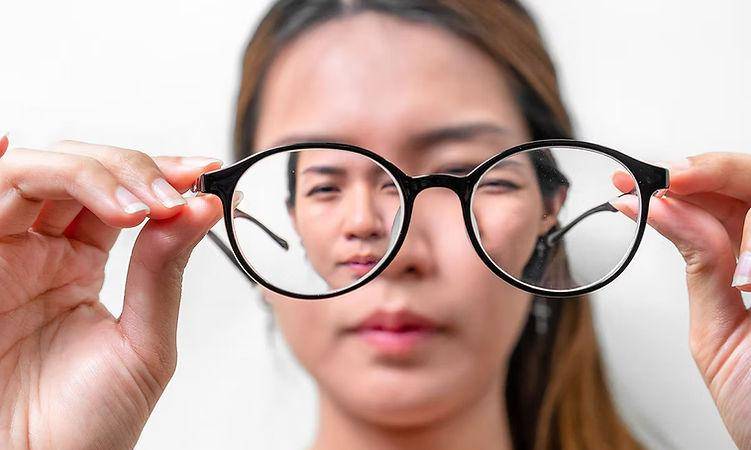
The truth is, your eyes change constantly. Sometimes slowly, sometimes fast. Waiting until you notice problems is like ignoring a small leak in your roof until the ceiling caves in.
The Standard Guidelines (But They’re Not One-Size-Fits-All)
Eye care professionals typically recommend annual exams for most adults. Children should get their first comprehensive eye exam around age 3, then again before starting school. But here’s what those generic recommendations don’t tell you – your personal risk factors matter more than general timelines. When you’re looking for a Reseda eye doctor, finding one who takes the time to assess your individual situation makes all the difference.
Age plays a huge role. After 40, your risk for glaucoma, macular degeneration, and diabetic eye disease increases dramatically. These conditions are sneaky. They develop without obvious symptoms until significant damage occurs.
Think about this: glaucoma is called the “silent thief of sight” because it can steal up to 40% of your vision before you even notice. Once that vision is gone, it’s gone forever.
When You Need More Frequent Visits
Some people need eye exams every six months, not annually. Perhaps you fall into one of these categories:
- You have diabetes. Regular monitoring can catch changes early when treatment still works.
- Your family has a history of eye disease. Your eye doctor needs to watch for early signs that might appear years before symptoms.
- You take certain medications. Some drugs increase pressure in your eyes or cause other vision-related side effects. Your doctor should monitor these effects regularly.
The Real Cost of Skipping Exams
Here’s what really happens when you put off that eye exam. Small problems become big ones. Treatable conditions become permanent disabilities.
Consider this scenario: early-stage glaucoma might be controlled with simple eye drops. Advanced glaucoma might require surgery and multiple medications and could still result in significant vision loss. The same pattern applies to other conditions. Early detection and treatment almost always lead to better outcomes.
What Modern Eye Exams Actually Detect?
Today’s eye exams go far beyond checking if you need glasses. Advanced technology can spot signs of high blood pressure, diabetes, high cholesterol, and even some brain tumors – all through your eyes.
Digital imaging now captures incredibly detailed pictures of your eye’s internal structures. These images can be compared over time to track even tiny changes that might indicate developing problems.
Making the Decision That’s Right for You
Your eye doctor can create a personalized schedule based on your specific risk factors. Don’t assume the standard recommendation applies to your situation.
Age, health conditions, family history, lifestyle, and current vision problems all factor into determining the right frequency for your exams.
To Conclude
The bottom line? Your vision is irreplaceable. Unlike other parts of your body, damaged vision often can’t be restored. Prevention and early detection remain your best protection against permanent vision loss. Schedule that appointment you’ve been putting off. Your future self will thank you.
Featured Image Source: https://static.wixstatic.com/media/827236_35c95a2b972b45d097bdb6b9e2842131~mv2.jpg
