From Idea to Execution: Steps to Successfully Launching a New Product

Many entrepreneurs are great at one thing, like generating ideas, but not so good at bringing them to life. So, they hire or, more commonly, outsource those skills.

Launching a new product is no small task; it requires meticulous planning and smart marketing strategies. This guide demystifies the process and offers step-by-step insights and strategy.

1. Research and Development

In its broadest sense, research and development (R&D) is the systematic activity companies undertake to innovate and introduce new products or services or improve their existing offerings. It’s an investment with the expectation of generating long-term profit and may yield intellectual property such as patents and copyrights.

The R&D process involves two key components: basic research and applied research. Basic research aims to obtain a fuller understanding of the fundamental aspects of a concept or phenomenon without direct application to products, policies, or operational processes.

Applied research, on the other hand, involves activities aimed at producing new materials, products, or devices or installing new processes, systems, or services that substantially improve those already produced or installed. Applied R&D can take place in all sectors and industries, but it’s particularly prevalent among pharmaceuticals, semiconductors, and software/technology companies. Companies rely on it to drive productivity and economic growth, while consumers benefit from improved, high-quality products.

2. Design

The product development phase is when a product’s design takes shape. This is where ideas are vetted and refined using objective consideration, early testing, and feedback from potential customers.

At this point, your product’s value proposition is established by clearly communicating how your new product solves a buyer’s pain points. This step helps make your product relatable to a customer on a human level, accelerating adoption and perceived value for the product.

Once the GM / BU leader, program management, and demand gen have approved the product messaging doc, hold a launch kickoff meeting to get everyone on board. This will enable teams to align around the product, build awareness, and prepare for a successful launch. Having all teams connected via a single platform like Confluence also makes it easier to work collaboratively across departments to streamline tasks, identify opportunities, and ensure everything is ready for a flawless launch.

3. Marketing

Once a minimum viable product is tested and ready for launch, the team must prepare to market it. They’ll need to decide on success metrics, such as acquiring new users or earning high CSAT ratings, and align them with long-term business goals.

This includes choosing the right advertising channels, such as social media or email marketing, and identifying when campaigns are most effective. For example, a business may offer discounts or exclusive benefits for early adopters to build excitement and generate hype.

To further increase visibility, teams can create a dedicated landing page or product microsite that details the new product’s features. This can be a great way to capture attention and drive interest, especially when combined with a video. It’s also important to provide robust technical documentation so customers can easily find answers to their questions. This will help mitigate support calls and ensure a positive user experience.

4. Distribution

Product launches are critical steps in bringing new products to market. The goal is to generate buzz, spike sales, and expand the customer base.

A successful launch depends on thorough audience and market research, including focus groups and buyer personas. The insights gathered will help determine your product’s best value proposition and set it apart from competitors.

Distribution channels are another factor to consider. Whether you decide to go with direct distribution or distribute your product via wholesalers, retailers, or agents, it’s important to know your target audience’s channel preferences and how they want to use your product.

Lastly, it’s essential to have a go-to-market strategy that outlines your marketing efforts to reach your target audience and communicate your value proposition. This should include a timeline of pre-launch teasers, the launch event, and post-launch follow-ups.

5. Packaging

Almost any product on the market today requires packaging. Essentially, packaging is a material that holds the product and is used for storing, shipping, displaying, and selling it.

Usually, the primary packaging directly encloses the product (a plastic bottle for lotion or a box that contains candy). Secondary or tertiary packaging is an additional wrapping around the primary packaging and aims to communicate with the consumer.

You must put a lot of thought into your product packaging because it will be the first thing your customers see and interact with. The right packaging will help them understand the product and provide helpful information. It will also protect the product during transit and make it easier for them to carry. This will give your brand a better chance of making a positive impression on your customers and increasing sales. This is why having the right people to handle product packaging is essential.

6. Launch

The final step is to launch the product into the market. This requires a coordinated effort from teams across the business—such as marketing, sales, IT, and customer support—to ensure the product launches successfully.

A key step in this phase is to articulate the product’s unique value proposition, including its differentiation from competitors and how it addresses specific pain points for a target audience. This information will help shape the PM craft messaging around the product and features, such as taglines, website copy, and collateral materials.

Depending on the nature of the product, it may be wise to conduct a soft launch to test and gather customer feedback before public announcements. This allows businesses to address any product imperfections and improve the product before its official release. It also provides critical insights into how customers perceive the solution and whether it is a good fit for the market.

Featured Image Source: https://cdn.pixabay.com/photo/2015/01/09/11/08/startup-594090_640.jpg

How to Choose Furniture That Reflects Your Personal Style: A Comprehensive Guide

Selecting the right furniture for your home is more than just filling space—it’s about creating a space that feels uniquely yours. Furniture not only serves practical functions but also reflects your personal style and enhances the overall ambiance of your living environment. In this guide, we’ll explore how to choose furniture that aligns with your tastes, preferences, and lifestyle, ensuring that your home is both functional and aesthetically pleasing.

1. Understand Your Personal Style

Before diving into furniture options, take time to understand your personal style. Your home should be a reflection of who you are, so it’s crucial to identify what resonates with you. Consider these popular styles to help pinpoint your preferences:

  • Modern: Characterized by clean lines, minimalism, and functional designs. Think neutral colors, sleek materials, and open spaces.
  • Traditional: Features classic designs with rich wood tones, intricate detailing, and a sense of elegance. Antique or vintage pieces often complement this style.
  • Rustic: Emphasizes natural materials like wood and stone, often with a weathered or handcrafted look. Warm, earthy tones and cozy textiles are key.
  • Industrial: Combines raw materials like exposed brick, metal, and wood for an urban, edgy feel. It’s about functionality with a hint of vintage charm.
  • Bohemian: Offers a mix of vibrant colors, patterns, and textures. It’s eclectic and artistic, often incorporating global influences and a relaxed vibe.

2. Assess Your Space

Every room has its own set of challenges and opportunities. To make sure your furniture fits well within your space, consider the following:

  • Measure Your Space: Accurate measurements are crucial. Note the dimensions of your room and the size of key areas where furniture will be placed. Don’t forget to measure doorways and hallways to ensure your new pieces can be delivered without issues.
  • Consider Room Function: Each room serves a different purpose, so your furniture should match the function. For example, a living room may need comfortable seating and a coffee table, while a home office requires a functional desk and storage solutions.
  • Evaluate Traffic Flow: Make sure there’s enough space for easy movement. Avoid overcrowding your room with too much furniture, which can make the space feel cramped and uncomfortable.

3. Set a Budget

Setting a budget helps narrow down your choices and prevents overspending. Consider how much you’re willing to invest in each piece of furniture. Quality often comes with a higher price tag, but it’s worth considering as durable furniture can be a long-term investment.

  • Prioritize Needs vs. Wants: Start by identifying essential pieces of furniture you need immediately. You can always add decorative items or additional pieces later as your budget allows.
  • Look for Sales and Discounts: Furniture stores often have sales, and many offer discounts for bulk purchases. Keep an eye out for these opportunities to get quality pieces at a better price.

4. Choose Quality Materials

Investing in high-quality materials ensures that your furniture will not only look good but also stand the test of time. Consider these aspects when evaluating materials:

  • Wood: Solid wood furniture is durable and timeless. Look for hardwoods like oak, maple, or cherry for longevity. Engineered wood can also be a cost-effective and stable alternative.
  • Fabric: For upholstered furniture, consider the fabric’s durability and ease of cleaning. Leather and high-quality synthetic fabrics are often more resilient to wear and tear.
  • Metal and Glass: These materials can add a modern touch and are generally easy to clean. Ensure that metal frames are well-coated to resist rust and glass surfaces are tempered for safety.

5. Focus on Functionality

Furniture should be as practical as it is stylish. Think about how each piece will be used and whether it meets your needs:

  • Multi-Function Pieces: Opt for furniture that serves more than one purpose, especially if you’re working with a smaller space. For example, a sofa bed or a storage ottoman can be incredibly versatile.
  • Comfort: Comfort is key for furniture like sofas and chairs. Test seating options to ensure they provide the support and comfort you need for daily use.

6. Pay Attention to Color and Pattern

Color and pattern play a significant role in tying a room together. Choose colors that complement your existing décor and reflect your style:

  • Neutral Colors: Neutral tones like beige, gray, or white are versatile and can be easily paired with various accessories and décor. They create a calming backdrop and allow other colors to stand out.
  • Bold Colors and Patterns: If you enjoy a vibrant, eclectic look, don’t shy away from bold colors and patterns. Consider using these elements in smaller pieces like cushions or rugs to add personality without overwhelming the space.

7. Mix and Match Wisely

Mixing different styles, materials, and textures can create a dynamic and personalized space. Here’s how to do it effectively:

  • Create Contrast: Combine contrasting elements to add visual interest. For instance, pair a modern sofa with a vintage coffee table or mix industrial lighting with rustic furniture.
  • Balance: Ensure there’s a balance between different styles and materials. Too many contrasting elements can make a room feel disjointed, while too much similarity can be monotonous.

8. Think Long-Term

Finally, choose furniture that you’ll love for years to come. Trends change, but classic styles and well-made pieces can last a lifetime.

  • Invest in Timeless Pieces: Invest in essential items that have a classic design and high-quality construction. These pieces will remain stylish even as trends evolve.
  • Consider Future Changes: Think about how your furniture will fit with potential future changes in your home or lifestyle. Choose versatile pieces that can adapt to different needs.

Featured Image Source: https://cdn.pixabay.com/photo/2020/11/24/11/36/bedroom-5772286_640.jpg

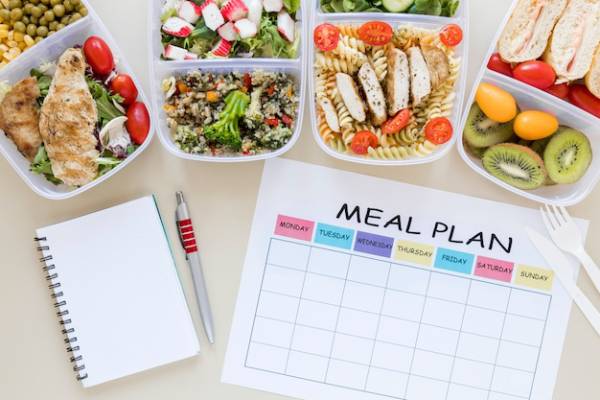
How to Create a Balanced Meal Plan: Tips and Tricks

Creating a balanced meal plan can transform your overall health and wellness, but it can often feel like a daunting task. With a bit of knowledge and some practical tips, though, meal planning can become a manageable and even enjoyable part of your routine. In this blog post, we’ll walk you through the essentials of crafting a balanced meal plan that supports your health goals and fits into your lifestyle.

Why a Balanced Meal Plan Matters

A balanced meal plan is crucial for maintaining good health. It ensures you’re getting the right nutrients in the right proportions, which can help with weight management, energy levels, and preventing chronic diseases. A well-structured meal plan can also save time and reduce stress about what to eat, which can help you stick to healthier eating habits.

Key Components of a Balanced Meal Plan

  1. Macronutrients: The Building Blocks
    A balanced meal plan should include the three main macronutrients: carbohydrates, proteins, and fats. Each plays a unique role in your body:
    • Carbohydrates: These are your body’s primary energy source. Opt for complex carbs like whole grains, fruits, and vegetables, which provide sustained energy and essential nutrients.
    • Proteins: Essential for muscle repair and growth, proteins should come from both animal and plant sources, such as lean meats, fish, beans, lentils, and nuts.
    • Fats: Healthy fats support cell function and help absorb certain vitamins. Include sources like avocados, nuts, seeds, and olive oil, and minimize saturated and trans fats.
  2. Micronutrients: Vitamins and Minerals
    Don’t overlook vitamins and minerals, which are critical for overall health. Ensure your meal plan includes a variety of fruits and vegetables to cover a broad spectrum of nutrients. Dark leafy greens, berries, and citrus fruits are particularly nutrient-dense.
  3. Hydration
    Proper hydration is a key aspect of a balanced diet. Aim for at least 8 glasses of water a day, and remember that fluids from fruits, vegetables, and herbal teas also contribute to your hydration needs.

Steps to Creating Your Meal Plan

  1. Assess Your Nutritional Needs
    Start by considering your personal nutritional requirements, which can vary based on age, gender, activity level, and health goals. For example, athletes may need more protein, while someone with a sedentary lifestyle might focus on reducing calorie intake.
  2. Set Your Goals
    Determine what you want to achieve with your meal plan. Are you aiming to lose weight, gain muscle, or just maintain a healthy lifestyle? Your goals will guide your food choices and portion sizes.
  3. Plan Your Meals
    • Choose Your Meals: Select recipes or meal ideas that fit your nutritional needs and preferences. Aim for a variety of meals to keep things interesting. A typical day might include:
      • Breakfast: Overnight oats with berries and nuts.
      • Lunch: Quinoa salad with chickpeas, cucumbers, and a lemon-tahini dressing.
      • Dinner: Baked salmon with sweet potatoes and steamed broccoli.
      • Snacks: Greek yogurt with honey, or an apple with almond butter.
    • Portion Control: Be mindful of portion sizes to avoid overeating. Using measuring cups or a food scale can help you gauge appropriate amounts.
  4. Create a Shopping List
    Based on your meal plan, create a detailed shopping list. Organize it by food categories (produce, dairy, grains, etc.) to streamline your grocery trip. This helps prevent impulse buys and ensures you have everything you need.
  5. Prep Ahead
    Preparing meals or components of meals in advance can save time and make sticking to your plan easier. Consider batch-cooking grains, roasting vegetables, or prepping proteins at the start of the week. Store prepped items in airtight containers in the fridge or freezer for easy access.
  6. Stay Flexible
    Life can be unpredictable, so it’s important to stay flexible. If your plans change, having a few quick and healthy recipes on hand can help you stick to your goals without getting derailed. For instance, having ingredients for a quick stir-fry or salad can be a lifesaver on busy days.
  7. Monitor and Adjust
    Regularly evaluate how your meal plan is working for you. Are you meeting your health goals? Do you feel satisfied and energized? If not, make adjustments as needed. Meal planning is not a one-size-fits-all approach; it should evolve with your needs and preferences.

Tips for Success

  1. Make it Enjoyable
    Meal planning shouldn’t feel like a chore. Find recipes and ingredients you enjoy, and experiment with new foods and flavors to keep things exciting.
  2. Get the Family Involved
    If you’re planning for a family, involve everyone in the process. Letting family members choose meals or help with prep can make meal planning a collaborative and enjoyable activity.
  3. Track Your Progress
    Keeping a food diary or using a meal-tracking app can help you stay on track and identify patterns or areas for improvement. This can also be a motivating tool as you see your progress over time.

Seek Professional Guidance

If you’re unsure about creating a balanced meal plan or have specific dietary concerns, consider consulting a registered dietitian. They can provide personalized advice and help you create a plan that aligns with your health goals.

Featured Image Source: https://img.freepik.com/free-photo/top-view-assortment-food-with-planner_23-2148484699.jpg

How to Make the Most of Your Weekend: Fun and Relaxing Ideas

Weekends are a precious respite from the grind of the workweek. They offer a chance to unwind, recharge, and perhaps pursue interests and hobbies that are sidelined during busy workdays. Making the most of your weekend involves striking a balance between relaxation and productive activities that leave you feeling fulfilled and ready to tackle the new week. Whether you’re looking to relax or want to be more active, here are some fun and relaxing ideas to help you maximize your weekends.

1. Plan Ahead, but Leave Room for Spontaneity

One key to a successful weekend is a bit of planning. Start by listing activities you’d like to do, whether they’re projects around the house, outdoor adventures, or simple relaxation. A little foresight can help you make the most of your time without feeling rushed or overwhelmed. However, it’s important to allow for spontaneity. Sometimes, the best moments come from unplanned activities or unexpected opportunities.

2. Explore Local Attractions

Weekends are a great opportunity to explore your local area. Visit museums, parks, or landmarks you haven’t been to in a while. Many cities have hidden gems that even locals might overlook. Look for local events or festivals that might be taking place; these can be great fun and a chance to support your community. If you’re not sure where to start, a quick online search or a visit to a local tourism website can provide inspiration.

3. Embrace Outdoor Activities

Getting outside can be incredibly refreshing. Depending on the weather and your interests, you might enjoy hiking, biking, or even a leisurely walk in a nearby park. Outdoor activities not only provide physical exercise but also mental relaxation. If you have a garden or outdoor space, consider spending time gardening or simply lounging in the sun with a good book. Fresh air and nature have proven benefits for mental health and overall well-being.

4. Indulge in a Hobby

Weekends offer the perfect chance to dive into hobbies that you might not have time for during the week. Whether it’s painting, cooking, woodworking, or playing an instrument, spending time on activities you love can be incredibly rewarding. If you don’t have a current hobby, consider exploring something new. You might discover a new passion that adds a great deal of joy to your life.

5. Prioritize Self-Care

Self-care is crucial for maintaining your overall health and happiness. Use your weekends to indulge in activities that help you relax and recharge. This could be as simple as taking a long bath, practicing yoga, or meditating. Consider treating yourself to a spa day or a massage if that’s something you enjoy. Even small acts of self-care can make a big difference in how refreshed you feel.

6. Connect with Loved Ones

Spending quality time with family and friends is one of the best ways to make your weekends memorable. Plan a brunch, host a game night, or simply enjoy a meal together. Engaging in meaningful conversations and shared activities can strengthen your relationships and provide a sense of connection and support. If you’re not able to meet in person, consider setting up a video call or a virtual game night.

7. Get Creative in the Kitchen

Cooking can be a fun and rewarding way to spend your weekend. Experiment with new recipes, bake a special treat, or prepare a meal you’ve been wanting to try. Cooking together with family or friends can also be a great bonding experience. If you’re looking for a creative outlet, consider starting a food blog or social media account to share your culinary adventures.

8. Catch Up on Reading or Watch a Movie

Weekends are a great time to catch up on reading or indulge in a movie marathon. Choose a book you’ve been meaning to read or revisit an old favorite. If you’re more of a visual learner, pick a series or movie that you’ve been wanting to watch. Create a cozy space with blankets and snacks to make it an enjoyable experience.

9. Engage in Community Service

Volunteering can be a fulfilling way to spend your weekend. Look for local organizations or charities that need help and see if there are any opportunities to get involved. Whether it’s helping out at a food bank, participating in a community cleanup, or assisting at a local animal shelter, giving back can provide a deep sense of satisfaction and purpose.

10. Plan for the Week Ahead

While it might not sound like the most exciting weekend activity, preparing for the week ahead can help reduce stress and make your upcoming days smoother. Use some time to organize your schedule, meal plan, or tackle any household tasks. This preparation can free up time during the week for more enjoyable activities and help you start the new week feeling more organized and less frazzled.

Featured Image Source: https://img.freepik.com/free-photo/smiling-relaxed-man-enjoying-pleasant-morning-sitting-terrace-outdoor_1163-3963.jpg

Copyright © 2026 — Palazzo Michiel. All rights reserved.