As soon as the temperatures start to drop, most homeowners turn to North Bay plumber specialists to check problematic pipes and provide preventative recommendations. The condition of exposed lines, insulation gaps, and weak points can be detected during professional assessment prior to the occurrence of serious issues. Problems in plumbing can happen during the coldest months and cost a lot of money.
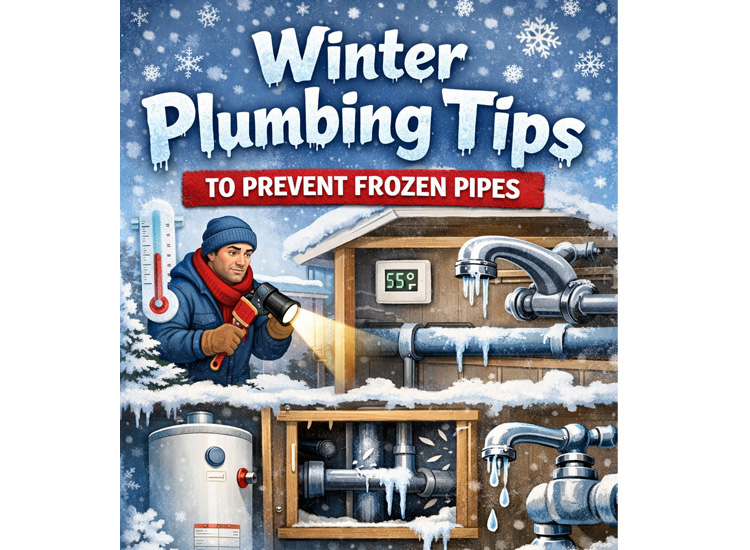
Winter plumbing tips to prevent frozen pipes:
- Insulate Exposed Pipes
With foam pipe insulation sleeves, fiberglass wraps or heat tape, one can perform thermal protection. Small areas of bare piping ought to be insulated too because cold air can enter pipes, and they may freeze very easily. Insulation does not only serve to protect pipes but also enhances efficiency of energy through the reduction of heat loss.
- Maintain Consistent Indoor Temperatures
Frequent interior heating is important in plumbing protection. Pipes that are laid in walls or below floors are dependent on ambient heat to avoid freezing.
The temperatures in the thermostats should be kept above their minimal values to maintain thermal equilibrium in the plumbing system. Cabinet doors should be opened below sinks to permit warm air to circulate around supply lines and around the connections of fixtures to minimize the risk of freezing.
- Allow Faucets to Drip During Extreme Cold
Freezing can be prevented by allowing slow drip of faucets attached to vulnerable pipes. Running water has less chances of freezing in comparison to standing water. This is a straightforward procedure that decreases the pressure concentration in pipes, which minimizes the chances of explosion.
Pay attention to the pipes along walls or unheated rooms. Although dripping faucets can add to water consumption to a small extent that is much cheaper than replacing burst pipes.
- Seal Air Leaks Around Plumbing Penetrations
Freezing of the pipes is frequently caused by cold air infiltration. Minor wall or floor penetrations of pipes may expose plumbing to exposure to freezing air.
These openings can be sealed using polyurethane spray foam. Through its proper sealing, thermal loss is avoided and keeps the environment conducive to the plumbing components.
- Disconnect Outdoor Hoses and Winterize Exterior Plumbing
Faucets and hoses outside are exceptionally susceptible during winter. Unscrew garden hoses and empty them out before temperatures are too low.
Close outside water shutoff faucets when there is any and open water pipes outside to drain away the rest of the water. This will eliminate the formation of ice within pipes and lower pressure that may lead to cracking or bursts.
A burst pipe incident costs, on average, about $16,000 to repair. Preparation, awareness and frequent maintenance are required to eliminate the issue of frozen pipes during winter season.
A burst pipe incident costs, on average, about $16,000 to repair. Preparation, awareness and frequent maintenance are required to eliminate the issue of frozen pipes during winter season.
Conclusion
Open pipes must be insulated, pipes on the inside kept warm, drafts should be closed, plumbing outside must be winterized; all of this is a big step in maintaining a healthy system. By following preventive measures, now you can save money on damage to your property, loss of water and inconvenience when it gets cold.
