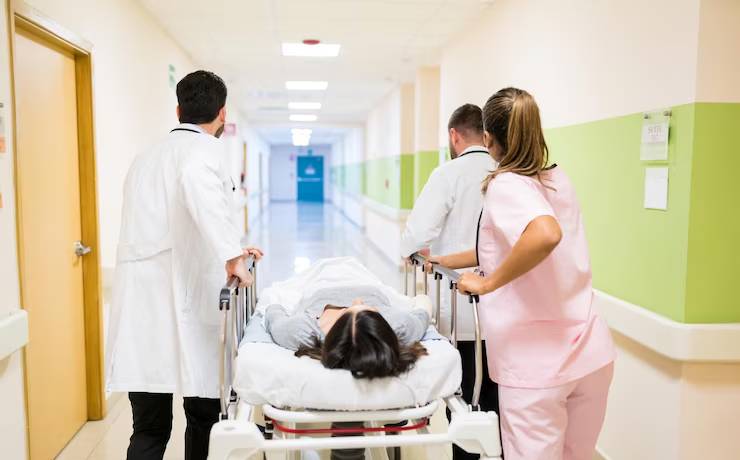
Medical emergencies strike without warning, transforming ordinary moments into life-or-death situations. The difference between survival and tragedy often lies in the speed and quality of immediate medical response. Healthcare professionals face these critical moments daily, where every second counts and decisions carry enormous weight.
Emergency medical teams operate under immense pressure, knowing that delayed intervention can result in permanent disability or death. Trauma hospitals serve as the frontline in this battle against time, equipped with specialised equipment and personnel trained to handle the most severe cases. These facilities maintain constant readiness, with staff prepared to spring into action at any moment. The complexity of critical care requires seamless coordination between multiple departments, each playing a vital role in patient stabilisation.
Neurological emergencies present some of the most challenging scenarios in critical care medicine. When patients arrive with suspected brain injuries, strokes, or other neurological complications, the expertise of a brain doctor in Ranchi becomes essential for proper diagnosis and treatment. These specialists must quickly assess complex symptoms, interpret diagnostic imaging, and determine the most appropriate intervention strategy. Brain-related emergencies often leave little room for error, as delayed treatment can result in irreversible damage to cognitive function and quality of life.
The Critical Care Response System
Modern emergency medicine relies heavily on established protocols that guide medical teams through complex decision-making processes. These systems ensure that every patient receives appropriate care regardless of the time of day or specific circumstances surrounding their emergency. Triage systems help prioritise patients based on the severity of their conditions, ensuring that those with the most critical needs receive immediate attention.
Communication plays a crucial role in successful emergency interventions, with medical teams relying on clear, concise information exchange. Paramedics, nurses, doctors, and specialists must work together seamlessly, sharing vital information that influences treatment decisions. This coordination extends beyond the hospital walls, involving emergency dispatchers, ambulance crews, and receiving facilities that prepare for incoming patients.
Advanced Technology in Emergency Medicine
Cutting-edge medical technology has revolutionised the way emergency teams approach critical care situations. Portable diagnostic equipment allows for rapid assessment of patient conditions, providing crucial information that guides treatment decisions. Advanced monitoring systems track vital signs continuously, alerting medical staff to changes that might indicate deteriorating conditions or improvement.
Surgical interventions in emergency settings often require immediate access to sophisticated equipment and facilities. Operating theatres designed for emergency procedures maintain constant readiness, with instruments sterilised and equipment tested regularly. These environments must accommodate various types of emergencies, from cardiac procedures to complex trauma surgeries that require multiple specialists working simultaneously.
Training and Preparedness
Medical professionals who work in critical care environments undergo extensive training to prepare for high-stress situations. This preparation includes both technical skills and psychological readiness to handle the emotional demands of emergency medicine. Regular simulation exercises help teams practice coordinated responses to various emergency scenarios, building muscle memory and improving communication under pressure.
Continuing education ensures that emergency medical staff remain current with the latest treatment protocols and technological advances. Medical knowledge evolves rapidly, and professionals must stay informed about new techniques, medications, and equipment that could improve patient outcomes. This ongoing learning process requires dedication and commitment from individuals who choose to work in these demanding environments.
Time-Sensitive Medical Conditions
Certain medical conditions require intervention within specific timeframes to prevent permanent damage or death. Cardiac emergencies, for example, often follow the principle that “time is muscle,” meaning that delays in treatment result in more heart tissue damage. Similarly, stroke patients benefit from treatment within a narrow window of opportunity, beyond which interventions become less effective.
Trauma cases present unique challenges because injuries can affect multiple body systems simultaneously. Medical teams must quickly assess and prioritise treatments for various injuries, addressing the most life-threatening conditions first. This process requires extensive medical knowledge and the ability to make rapid decisions under extreme pressure.
Impact on Patient Outcomes
The quality of emergency medical care directly influences both immediate survival rates and long-term recovery prospects. Patients who receive prompt, appropriate interventions typically experience better outcomes than those who face delays or inadequate initial treatment. This reality underscores the importance of maintaining high-quality emergency medical services in all communities.
Recovery from critical medical emergencies often extends far beyond the initial hospital stay, involving rehabilitation, follow-up care, and ongoing medical management. The decisions made during those crucial first moments can significantly impact a patient’s quality of life for years to come. This responsibility weighs heavily on emergency medical professionals who understand the long-term consequences of their actions.
Community Healthcare Infrastructure
Effective emergency medical care requires robust community healthcare infrastructure that extends beyond individual hospitals. This system includes ambulance services, emergency dispatch centres, and networks of healthcare facilities that work together to provide comprehensive coverage. Rural and urban areas face different challenges in maintaining adequate emergency medical services.
Resource allocation and staffing represent ongoing challenges for healthcare systems that must balance cost considerations with the need to maintain readiness for unpredictable emergency situations. These facilities must be prepared to handle both routine emergencies and large-scale incidents that could overwhelm normal capacity.
Critical medical emergencies test the limits of human knowledge, technology, and compassion in ways that few other situations can match. The professionals who dedicate their careers to this field understand that their skills and dedication directly impact the survival and recovery of patients facing their darkest moments. These life-saving interventions represent the pinnacle of medical practice, where science meets humanity in the most profound way possible. If you or someone you know faces a medical emergency, seek immediate professional medical attention to ensure the best possible outcome.
Featured Image Source: https://img.freepik.com/free-photo/doctors-nurse-pushing-female-patient-stretcher-corridor-hospital_662251-3073.jpg
