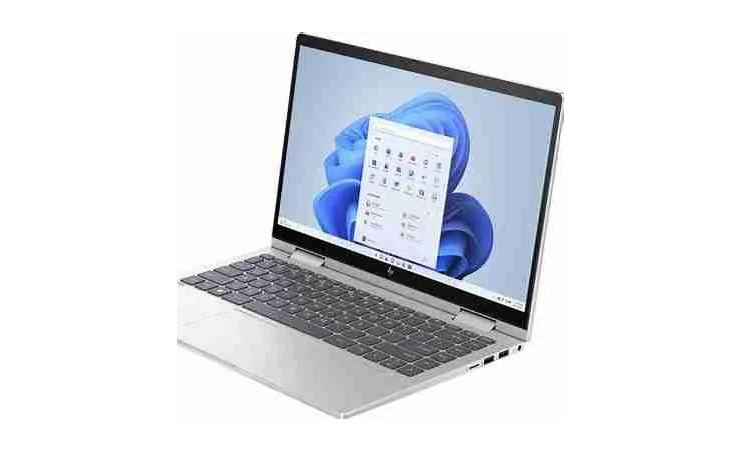
The laptop market in Kenya has expanded noticeably over the past few years. New buyers often arrive at stores with a budget in mind but very little clarity on what they actually need. That gap between budget and knowledge is where most poor purchasing decisions happen, and it costs people considerably more than expected in repairs, replacements, and lost time.
Decoding the Numbers Before You Spend
Knowing What Drives the Price: The HP laptop price in Kenya ranges widely depending on the model, specifications, and the retailer selling it. Entry-level options can start from around KES 30,000, with professional and high-performance models climbing significantly higher. Understanding what creates these differences is the first step toward making a purchase that genuinely serves the buyer’s needs over time.
Where to Look for Better Rates: A careful price comparison across multiple retailers often reveals significant gaps for the exact same model. Some shops mark up prices considerably, particularly for buyers who appear unfamiliar with typical market rates. Checking more than one source before committing to a purchase is simply practical, and it can save a meaningful amount without requiring much research time at all.
What Is Actually Inside the Box
Why the Chip Matters More Than the Logo: Many first-time buyers focus almost entirely on brand name and screen size, overlooking the internals that will determine daily performance. Processor architecture plays a central role in how smoothly a laptop handles tasks like video calls, document editing, and running multiple tabs simultaneously. A model priced attractively but built on outdated hardware often becomes a source of frustration within months.
Storage Makes a Bigger Difference Than Expected: Laptops equipped with solid-state drives load programmes noticeably faster than older hard-drive models. For students, small business owners, or anyone managing multiple files throughout the day, this difference becomes apparent quickly. It affects productivity in ways that are not easily corrected without spending considerably more money, which defeats the purpose of choosing a budget-friendly option from the start.
The Details That Keep Your Laptop Useful for Years
Screen Quality Shapes the Daily Experience: A good display resolution affects everything from reading documents to attending video meetings and reviewing visual content. Buyers often overlook this specification entirely, focusing on price alone. Screens that appear washed out or difficult to read become tiresome to work on over extended periods, making this a practical consideration rather than simply a cosmetic one.
What to Check Before Committing to a Model:
- Battery life of at least 6 hours for consistent daily use
- A minimum of 8GB RAM for stable multitasking
- At least 256GB SSD for adequate storage and faster speeds
- A keyboard with good key travel for comfortable extended typing
- A warranty backed by an authorised dealer, not a grey-market reseller
Reading the Warranty Terms Carefully: Many buyers focus on upfront cost and forget to check warranty coverage until something goes wrong. A laptop purchased without proper documentation from a verified retailer leaves the buyer with no manufacturer support when hardware faults appear. These situations are more common than expected and typically arise well after the store’s return window has already closed.
Your Next Laptop Purchase Starts With the Right Retailer
Purchasing from an authorised dealer remains the most practical decision for any first-time buyer in Kenya. Genuine stock, proper warranty coverage, and reliable after-sales support are not perks. They are the baseline of a fair transaction. Visit an established ICT retailer in Nairobi today to compare models in person and make a confident, well-informed purchasing decision.
Featured Image Source: https://www.almiriatechstore.co.ke/wp-content/uploads/2025/05/HP-Laptop-Envy-x360-2-in-1-14-es1013dx-Intel-Core-5-120U-8GB-9R8R2UA-1.jpg
