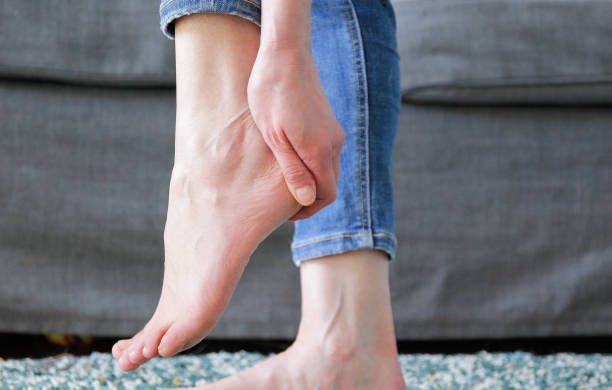
What starts as a nagging throb in your heel can quietly reshape how you move through the world. Most people dismiss it as something that will pass on its own. Days turn into weeks, and the pain settles in as your new normal. Meanwhile, your body makes adjustments you don’t even notice at first.
When Every Step Becomes a Strategy
The Price of Favoring One Foot: Dealing with foot pain Houston, residents experience often leads to subtle shifts in walking patterns that feel protective but create new problems. The brain reroutes weight distribution to spare the painful area. This unconscious favoring throws off the balanced mechanics that normally distribute force evenly across joints. Over time, one hip bears more load than it should, one knee twists slightly inward, and muscles on one side work harder than their counterparts.
Your Gait Tells the Story: Limping can be a significant sign that your gait is off because it becomes so familiar that you forget you’re doing it. Friends might mention it before you realize the extent of the compensation. Each altered step sends forces through your body at angles nature didn’t design for. The accumulation of thousands of these off-kilter movements per day adds up faster than most expect.
The Silent Spread of Discomfort
How Imbalanced Movement Strains Connected Structures: When gait abnormalities persist, the kinetic chain responds predictably. Hip flexors tighten on one side while weakening on the other. The pelvis tilts to accommodate the uneven pressure. Lower back muscles engage differently to maintain balance, creating tension that manifests as stiffness or sharp twinges during routine movements like bending to tie shoes or reaching overhead.
The Domino Effect Through Your Frame: Knee pain often follows as the joint absorbs stress from altered biomechanical alignment. Cartilage wears unevenly when tracking changes even slightly. What began as heel discomfort now involves three or four areas of your body simultaneously. The original problem gets lost in the noise of multiple pain points competing for attention.
Life Shrinks When Movement Hurts
Activities That Fade First:
- Morning walks get shorter until they stop completely
- Playing with children or grandchildren becomes watching from the side-lines
- Stairs turn into obstacles that require planning and handrails
- Standing to cook dinner feels like an endurance test
- Social events get declined when they involve walking or standing
The Mental Weight of Physical Limits: Chronic discomfort chips away at mood and outlook in ways that surprise people. The freedom to move spontaneously disappears. Every outing requires calculating distance and rest opportunities. Sleep quality drops when changing positions triggers sharp reminders. The gap between who you were and what you can currently do widens month by month, creating frustration that seeps into other aspects of life.
Reclaiming the Movement You Deserve
Professional evaluation catches these cascading problems before they become entrenched patterns. Early intervention addresses root causes rather than chasing symptoms around the body. Targeted treatment restores proper mechanics, allowing compensatory patterns to unwind naturally. The return to pain-free movement happens progressively as each connected structure realigns and strengthens. Taking that first step toward care protects not just your feet but your overall capacity to engage fully with the activities and people that matter most.
Featured image source: https://media.gettyimages.com/id/2150441643/photo/foot.jpg?s=612×612&w=0&k=20&c=_TktvOen9pfkuqGRDW_e8DR79hO8Bv1sXueiKaC-cds=
