Seamless Journeys: Organising Group Travel for Corporate Events in Bangalore

Corporate events in the city of Bangalore demand meticulous planning, particularly when coordinating transportation for multiple team members. The city’s bustling traffic patterns and diverse venue locations create significant logistical challenges that can derail even the most carefully orchestrated business gatherings. Professional group transportation emerges as the cornerstone solution for companies seeking reliability and efficiency.

Bus hire in Bangalore represents a strategic investment in corporate productivity and team cohesion. Companies increasingly recognise that scattered arrival times and transportation mishaps can undermine event objectives, diminish professional credibility, and create unnecessary stress for participants. Centralised group transport eliminates these variables whilst ensuring consistent service standards across all passengers.

Specialised corporate transport services address unique business requirements through tailored solutions that prioritise comfort, punctuality, and professional presentation. These services understand that business travellers expect higher standards than leisure passengers, requiring vehicles that serve as mobile extensions of the corporate environment. The investment in quality transport reflects organisational values and attention to detail.

Strategic Advantages of Coordinated Group Transport

  • Enhanced Team Dynamics: Group travel fosters natural networking opportunities that extend beyond formal meeting rooms. Colleagues from different departments interact organically during journeys, building business and employee relationships that enhance collaborative efforts. These conversations often generate innovative solutions and strengthen interdepartmental communication channels that benefit long-term organisational objectives.
  • Punctuality Assurance: Professional drivers possess intimate knowledge of Bangalore’s traffic patterns, construction zones, and alternative routes that ensure timely arrivals regardless of congestion levels. This expertise eliminates the uncertainty associated with individual navigation attempts, particularly for out-of-town participants unfamiliar with local conditions. Guaranteed arrival times enable precise event scheduling without buffer periods.
  • Cost Optimisation Strategies: Consolidating transportation expenses through group bookings typically reduces per-person costs compared to individual taxi arrangements or mileage reimbursements. Companies gain better budget predictability whilst eliminating administrative overhead associated with processing multiple expense claims. Bulk pricing negotiations often yield additional savings for regular corporate clients.

Professional Service Features for Business Travel

  • Climate Control Excellence: Modern corporate transport vehicles feature sophisticated air conditioning systems that maintain optimal temperatures regardless of external weather conditions. This ensures participants arrive refreshed and professionally presentable, particularly crucial during Bangalore’s warmer months. Consistent climate control prevents discomfort that could impact meeting performance or professional appearance standards.
  • Ergonomic Seating Solutions: Premium seating arrangements accommodate extended journey times whilst supporting passenger comfort and productivity. Spacious layouts allow for document review, laptop usage, and informal discussions without cramped conditions. Strategic seat configurations facilitate team interactions whilst providing privacy options for confidential conversations or individual work requirements.
  • Communication Infrastructure: Vehicles equipped with charging ports, Wi-Fi connectivity, and mobile signal boosters enable continuous business operations during transit. Participants can conduct calls, respond to emails, and access cloud-based documents without interruption. This connectivity transforms travel time into productive work periods rather than lost productivity gaps.

Venue Accessibility and Route Planning

  • Strategic Location Knowledge: Professional transport providers maintain comprehensive databases of Bangalore’s corporate venues, including access restrictions, parking limitations, and optimal drop-off points. This intelligence ensures smooth arrivals at conference centres, hotels, and business districts without navigation complications. Drivers coordinate with venue security and management for seamless guest processing.
  • Traffic Pattern Analysis: Real-time traffic monitoring systems enable dynamic route adjustments that avoid congestion hotspots and construction delays. Advanced planning considers historical traffic data, event schedules, and weather impacts to determine optimal departure times. This proactive approach minimises delays that could cascade through event timelines.
  • Alternative Route Preparation: Experienced drivers maintain knowledge of multiple route options for each destination, enabling rapid adjustments when primary routes become impassable. This redundancy planning ensures event attendance regardless of unexpected road closures, accidents, or extreme weather conditions that commonly affect urban transport systems.

Safety Standards and Professional Protocols

  • Driver Qualification Requirements: Corporate transport providers implement rigorous driver screening processes including background checks, defensive driving certifications, and customer service training programmes. Professional chauffeurs understand business etiquette, maintain confidentiality regarding passenger conversations, and present appropriate professional appearance standards. Regular performance evaluations ensure consistent service quality across all assignments.
  • Vehicle Maintenance Protocols: Systematic maintenance schedules ensure vehicles operate at peak performance levels with minimal breakdown risks that could disrupt event schedules. Regular safety inspections, preventive maintenance, and emergency preparedness measures protect passengers whilst maintaining service reliability. Insurance coverage provides comprehensive protection for corporate liability concerns.
  • Emergency Response Procedures: Established protocols address various emergency scenarios including medical incidents, vehicle breakdowns, and severe weather conditions. Backup vehicle availability ensures event continuity even when primary transport encounters unexpected issues. Communication systems enable rapid coordination with event organisers and emergency services when required.

Technology Integration for Enhanced Experience

  • Booking Management Systems: Online platforms streamline reservation processes, enabling administrative staff to schedule, modify, and track transportation arrangements efficiently. Integration with corporate calendars and event planning software eliminates scheduling conflicts and ensures accurate passenger manifests. Automated confirmation systems reduce administrative overhead whilst improving accuracy.
  • Real-Time Tracking Capabilities: GPS monitoring systems provide live location updates to event organisers, enabling precise coordination with venue preparations and guest reception protocols. Passengers receive estimated arrival notifications that facilitate personal schedule management. This transparency eliminates uncertainty and enables proactive adjustments when necessary.
  • Digital Communication Channels: Mobile applications facilitate direct communication between passengers, drivers, and dispatch coordinators without revealing personal contact information. Professional messaging systems maintain appropriate boundaries whilst ensuring effective coordination. Emergency contact protocols provide immediate assistance access when required.

Corporate Event Categories and Transport Solutions

  • Conference Transportation Requirements: Multi-day conferences require reliable shuttle services between accommodation facilities and venue locations. Scheduled departures accommodate various session timings whilst providing flexibility for networking activities and meal periods. Professional coordination ensures delegates focus on content rather than transportation logistics.
  • Client Meeting Logistics: Executive transport services enhance client impressions through premium vehicles and professional service standards. First impressions significantly impact business relationships, making transport quality a strategic consideration rather than mere convenience. Coordinated arrivals demonstrate organisational competence and attention to detail.
  • Team Building Event Coordination: Off-site team building activities require specialised transport arrangements that accommodate equipment, catering supplies, and group dynamics. Professional drivers understand activity schedules and venue requirements, ensuring seamless transitions between locations. Comfortable group travel enhances team bonding experiences from journey commencement.

Budget Planning and Cost Management

  • Transparent Pricing Structures: Professional transport providers offer detailed quotations that eliminate hidden charges and enable accurate budget planning. Comprehensive pricing includes fuel costs, driver expenses, tolls, and parking fees without surprise additions. This transparency enables financial planning accuracy and vendor performance evaluation.
  • Volume Discount Opportunities: Regular corporate clients benefit from preferential pricing arrangements that reward consistent business relationships. Annual contracts often provide significant savings compared to individual booking rates. These partnerships enable budget predictability whilst ensuring service priority during peak demand periods.
  • Expense Reporting Integration: Professional services provide detailed invoicing that simplifies expense reporting and audit requirements. Itemised receipts facilitate accurate cost allocation across departments or project budgets. Electronic documentation reduces administrative processing time whilst ensuring compliance with corporate financial policies.

Quality Assurance and Service Standards

  • Performance Monitoring Systems: Regular passenger feedback collection enables continuous service improvement and quality assurance verification. Professional providers track punctuality rates, passenger satisfaction scores, and service consistency metrics. This data-driven approach ensures service standards meet corporate expectations consistently.
  • Staff Training Programmes: Ongoing professional development ensures drivers maintain current knowledge of traffic regulations, customer service standards, and emergency procedures. Regular training updates address new technology implementations, route changes, and service enhancement opportunities. Standardised training creates consistent service experiences across all drivers.
  • Service Guarantee Policies: Established service level agreements protect corporate clients through guaranteed performance standards and compensation policies for service failures. These commitments demonstrate provider confidence in service quality whilst protecting client interests. Clear accountability measures ensure professional relationships remain productive and mutually beneficial.
    • Comprehensive insurance coverage protecting corporate liability concerns
    • Professional driver screening including background checks and certifications
    • Real-time GPS tracking for precise coordination and transparency
    • Climate-controlled environments maintaining passenger comfort standards
    • Flexible scheduling accommodating various corporate event requirements

Conclusion

Corporate group transport transforms business events through coordinated logistics that eliminate individual travel complications whilst enhancing professional outcomes. The strategic investment in quality transportation reflects organisational values and demonstrates commitment to participant experience and event success. Professional providers understand unique business requirements and deliver tailored solutions that support corporate objectives through reliable, comfortable, and efficient group transport services. Take control of your next corporate event’s success by prioritising professional group transportation that elevates your organisation’s professional standards.

Featured Image Source: https://www.simplytrip.in/images/bus-rent-delhi-banner.webp

Everything You Need to Know About Dowel Pins in Precision Engineering

Dowel pins are essential components in precision engineering that ensure accurate alignment between mating parts. They maintain positioning accuracy, prevent lateral movement, and support repeatable assembly in manufacturing processes across multiple industries. Their simple cylindrical design belies their critical role in maintaining mechanical integrity and precision in countless engineering applications.

Introduction to Precision Alignment Components

Precision engineering relies heavily on components that can maintain exact positioning between parts. In manufacturing and assembly processes, even the slightest misalignment can lead to product failure, reduced efficiency, or accelerated wear. That’s why engineers turn to specialised alignment components that ensure consistent, accurate positioning every time. These small but critical fasteners play an outsized role in maintaining the integrity of assembled parts in everything from automotive engines to medical devices.

Understanding Dowel Pins and Their Applications

Dowel pins are cylindrical fasteners manufactured to precise dimensions with extremely tight tolerances. Unlike standard fasteners, dowel pins are designed to fit into reamed holes with minimal clearance, creating what engineers call an interference or press fit. This creates a strong, stable connection that resists movement in all directions. They excel in applications where parts must maintain exact positioning relative to each other, even under substantial loads or vibrations. The precision of dowel pins makes them ideal for use in tooling, fixtures, and high-performance mechanical assemblies.

The Fundamental Role of Dowel Pins in Engineering

The primary function of dowel pins centres on maintaining precise alignment between two or more components. When properly installed, dowel pins prevent lateral shifting of parts while allowing for disassembly when necessary. This differs fundamentally from permanent joining methods like welding or adhesives. Many engineers consider dowel pins to be among the most reliable mechanical registration devices available, providing repeatable positioning accuracy even after multiple assembly and disassembly cycles.

Types of Dowel Pins for Different Applications

The world of dowel pins encompasses several distinct varieties, each optimised for specific use cases for precision engineering. Straight dowel pins represent the most common type, featuring perfectly cylindrical bodies with either chamfered or radius ends to facilitate insertion. Grooved dowel pins include longitudinal grooves that reduce insertion force and allow air or fluid displacement during press-fitting operations. Tapered dowel pins offer a slight diameter reduction toward one end, making them useful for initial alignment during assembly processes. Knurled dowel pins feature textured surfaces that increase holding power in softer materials like plastics or aluminium.

Material Considerations for Precision Pins

The choice of material for dowel pins significantly impacts their performance and lifespan. Stainless steel pins offer excellent corrosion resistance, making them suitable for applications exposed to moisture or chemicals. Hardened steel provides superior wear resistance for high-stress applications, while alloy steel pins deliver a balance of strength and machinability. For applications requiring non-magnetic properties or electrical insulation, pins manufactured from materials like brass, bronze, or even engineering plastics might be the best choice.

Surface Treatments and Finishes

Beyond the base material, dowel pin performance can be enhanced through various surface treatments. Black oxide coatings provide moderate corrosion resistance while maintaining dimensional precision. Zinc plating offers improved corrosion protection at minimal cost increase. For applications demanding extreme wear resistance, chrome plating or nitriding processes create exceptionally hard surfaces. In food processing or medical applications, electropolished stainless steel dowel pins deliver both corrosion resistance and a non-porous surface that resists bacterial growth.

Design Factors That Influence Pin Selection

When selecting dowel pins for a specific application, engineers must consider several critical design factors. The load distribution across the pin is paramount—pins that bear too much weight relative to their size can deform or fail. The frequency of assembly and disassembly matters too, as this affects potential wear over time. Operating temperature ranges must be considered since thermal expansion can significantly affect fit and function in precision applications. Finally, the overall dimensional constraints of the assembly often dictate the size and placement options available for dowel pins.

Precision Standards and Tolerances

Dowel pins are manufactured to exacting standards, with diameter tolerances typically held to ±0.0005 inches (0.013 mm) or better. This precision ensures consistent performance across production batches. International standards like ISO 2338 and ANSI B18.8.2 define specifications for dowel pins, including dimensional tolerances, material requirements, and testing methods. Engineers should familiarise themselves with these standards when specifying dowel pins for critical applications, as they provide a common language for communicating requirements to suppliers.

Installation Best Practices for Optimal Performance

Proper installation techniques are crucial for maintaining the precision and function of dowel pins. Reamed holes must be prepared with exact dimensions, typically 0.001 to 0.002 mm smaller than the pin diameter for an interference fit. Installation should be performed with appropriate pressing tools rather than hammers, which can damage the pin ends. Proper alignment during insertion is essential to prevent binding or damage to both the pin and the receiving hole. It’s also vital to check for burrs or debris that could prevent proper seating of the dowel pin.

Calculating Fits and Clearances

Engineering success with dowel pins often comes down to the mathematics of fit. For most precision applications, an interference fit (where the pin is slightly larger than the hole) provides the most secure positioning. The degree of interference must be carefully calculated based on material properties, operating conditions, and assembly requirements. Typical interference values range from 0.001″ to 0.003″ for metal components. For applications requiring future disassembly, a transition fit might be more appropriate, with interference values below 0.001″.

Common Problems and Troubleshooting

Even with careful design and installation, issues can arise with dowel pin assemblies. Binding during assembly often indicates misalignment between the pin and its receiving hole, potentially due to accumulated manufacturing tolerances. Pins that work loose over time may point to inappropriate fit specifications or vibration issues in the assembly. Wear at contact points suggests a need for harder materials or surface treatments. Regular inspection of pins for signs of deformation or damage can prevent catastrophic assembly failures and unexpected downtime.

Advanced Applications in Modern Manufacturing

Modern manufacturing continues to find innovative uses for these precision components. In the aerospace sector, specialised dowel pins help maintain critical alignments in engine assemblies and control surfaces. Medical device manufacturers rely on them for precise alignment in surgical instruments and diagnostic equipment. The automotive industry uses them extensively in engine blocks, transmission housings, and precision jigs and fixtures. As manufacturing tolerances grow ever tighter, the role of these simple yet sophisticated components becomes increasingly important.

Future Trends in Dowel Pin Technology

The future of dowel pin technology points toward several emerging developments. Advanced materials like ceramic composites and titanium alloys are finding applications in extreme-environment scenarios. Miniaturisation trends in electronics and medical devices drive demand for micro-dowel pins with diameters below 0.5mm. Computer-aided engineering now allows for optimised pin placement and sizing based on finite element analysis of stress distributions. These innovations continue to extend the utility of dowel pins into new industrial frontiers.

Conclusion and Next Steps

Selecting the right dowel pins for your precision engineering application can significantly improve assembly quality, reduce errors, and extend product lifespan. Understanding their proper application is essential for achieving the positioning accuracy and stability that modern manufacturing demands. Consider consulting with a fastener specialist to determine the optimal pin specifications for your particular requirements. Take the time to review your current assembly processes—could precision dowel pins solve alignment challenges you’re currently facing? With their unmatched precision and reliability, dowel pins continue to be indispensable components in the engineer’s toolkit for achieving mechanical precision.

Featured Image Source: https://upsind.com/wp-content/uploads/2024/05/Dowel-pin-4.png

Smart Energy Choices: Maximising Your Home’s Potential with Renewable Power

Every homeowner in Ontario knows the frustration of opening another sky-high electricity bill. With energy costs climbing year after year, more families are looking at their rooftops and wondering if there’s a better way forward. The answer increasingly lies in renewable energy systems that can slash monthly bills while reducing environmental impact. But diving into solar or wind power isn’t something you want to get wrong – the stakes are too high.

Getting solar panel installation Ontario right means working with professionals who understand local conditions and regulations inside and out. The difference between a properly sized system and one that’s too big or too small can cost thousands in wasted money or missed savings opportunities. Expert installers know how to evaluate your roof’s potential, account for shading from nearby trees or buildings, and ensure everything meets provincial building codes. Skip the professional assessment, and you might end up with a system that underperforms for decades.

When it comes to residential solar panels Ontario homeowners choose, quality makes all the difference between a smart investment and an expensive mistake. Premium panels handle Ontario’s harsh winters and scorching summers without losing efficiency, while cheaper alternatives often fail within the first few years of operation. The upfront cost difference between high-quality and budget panels seems significant, but when you factor in replacement costs and lost energy production, cheap panels become very expensive. Smart homeowners invest in proven technology from established manufacturers with solid warranty coverage.

Getting the Right Equipment and Placement

  • Quality Components Matter More Than Price: The solar industry is flooded with cheap imports that promise the same performance as premium equipment at half the cost. What they don’t tell you is how these bargain components perform after five years of Canadian weather. Quality solar panels, inverters, and mounting hardware cost more initially but deliver consistent performance for 25+ years without needing frequent repairs or replacements. Homeowners who chase the lowest price often find themselves replacing failed components while their neighbours with quality systems enjoy trouble-free operation.
  • Location Determines Everything: Your roof’s orientation and angle determine how much energy your system can actually produce, regardless of how much you spend on the chosen equipment. South-facing roofs with minimal shading generate the most power, but even east and west-facing installations can work well with proper design. Trees that seem insignificant now might cast shadows that reduce your system’s output by 30% or more as they grow. Professional site analysis reveals these issues before installation, not after you’ve already invested thousands in equipment.
  • Professional Installation Protects Your Investment: Solar installation involves working with high-voltage electricity on your roof – not exactly a DIY weekend project. Certified installers carry insurance, understand electrical codes, and know how to properly weatherproof all connections to prevent fires or water damage. They also handle permits and utility interconnection paperwork that can take months to sort out if done incorrectly. Trying to save money with inexperienced installers often results in code violations, voided warranties, and expensive repairs.

Smart Technology Integration

  • Monitoring Shows What’s Really Happening: Without proper monitoring, you won’t know if your system is performing as expected or slowly degrading due to equipment problems. Modern monitoring systems track individual panel performance and alert you to issues before they become expensive failures. Many homeowners discover their systems have been underperforming for months simply because they weren’t paying attention to the data. Real-time monitoring helps you understand your energy patterns and identify opportunities to reduce consumption during peak rate periods.
  • Battery Storage Changes the Game: Adding battery storage to your solar system means you’re not completely dependent on the grid during outages or peak pricing periods. Modern lithium batteries can power essential circuits for hours or even days, depending on your usage and system size. The technology has improved dramatically over the past few years while costs have dropped significantly. However, improperly sized battery systems either run out of power too quickly or represent wasted capacity that never gets used.

Taking Advantage of Ontario Incentives

  • Federal Programs Reduce Upfront Costs: The Canada Greener Homes Grant provides substantial rebates for qualified renewable energy installations, but the application process has specific requirements and deadlines. Many homeowners miss out on thousands in rebates simply because they didn’t complete the required energy audit or submit paperwork on time. The program covers both system costs and the required pre- and post-installation audits, making it easier to justify the investment. However, funding is limited and applications are processed on a first-come basis, creating urgency around timing.
  • Provincial Support Varies by Region: Ontario’s net metering program allows you to sell excess electricity back to the grid at retail rates, effectively using the utility as a giant battery. This arrangement can eliminate your electricity bill entirely during peak production months, with credits carrying forward to cover winter usage. The program has specific technical requirements and interconnection procedures that must be followed exactly, or you risk losing your net metering status. Working with experienced installers familiar with utility requirements prevents costly delays and complications.
  • Utility Programs Add Extra Value: Many Ontario utilities offer additional rebates and time-of-use rates that favour renewable energy adoption. These programs often include incentives for battery storage systems that help stabilise the grid during peak demand periods. Understanding your local utility’s specific programs and rate structures helps optimise your system design for maximum financial benefit. Some utilities also offer expedited interconnection processes for qualified installers, reducing the time between installation and system activation.

Available incentive programs include several key opportunities:

  • Federal rebates through Canada Greener Homes Grant covering up to $5,000 in system costs
  • Net metering credits that eliminate monthly electricity bills during peak production seasons
  • Time-of-use rates that reward daytime solar production with premium pricing
  • Battery storage incentives that provide ongoing payments for grid stabilisation services

System Design Considerations

  • Understanding Your Energy Needs: Installing a solar system without understanding your actual energy consumption patterns is like buying a car without knowing how far you need to drive. Detailed energy audits reveal when you use the most power and identify efficiency improvements that reduce the system size you need. Many homeowners discover they can significantly reduce their energy requirements through simple upgrades like LED lighting or programmable thermostats. Right-sizing your system based on actual usage prevents overinvestment in unnecessary capacity.
  • Seasonal Performance Variations: Ontario’s winter months present unique challenges for solar energy systems, with shorter days and potential snow coverage reducing energy production. System designs must account for these seasonal variations while ensuring adequate capacity during peak summer production months. Snow typically slides off properly angled panels, but ice dams and heavy accumulation can temporarily reduce output. Understanding these patterns helps set realistic expectations and plan for supplemental heating costs during extended cloudy periods.

Maintenance and Long-term Performance

  • Preventive Maintenance Prevents Problems: Solar systems require minimal maintenance compared to other home systems, but neglecting basic upkeep can lead to significant performance losses over time. Regular cleaning removes dust, leaves, and bird droppings that reduce panel efficiency, while visual inspections catch loose connections or physical damage before they cause failures. Most manufacturers require documented maintenance to maintain warranty coverage, making professional service contracts worthwhile for many homeowners. Simple maintenance tasks can prevent expensive repairs and ensure your system delivers promised performance for decades.
  • Performance Monitoring Catches Issues Early: Modern solar systems include sophisticated monitoring that tracks individual component performance and identifies problems before they impact energy production. Many homeowners only discover performance issues when their electricity bills suddenly increase, by which time significant energy production has already been lost. Monitoring systems can detect everything from failing inverters to individual panel problems, allowing for targeted repairs rather than system-wide troubleshooting. Without proper monitoring, minor issues often develop into major problems that require expensive emergency repairs.

Conclusion

Renewable energy represents one of the smartest investments Ontario homeowners can make, but success depends on quality equipment, professional installation, and understanding available incentives. The combination of federal rebates, provincial net metering, and utility programs makes solar power more affordable than ever, but these opportunities won’t last forever. Get a professional assessment of your property’s renewable energy potential and start taking advantage of current incentive programs before funding runs out or requirements change.

Featured Image Source: https://img.freepik.com/free-photo/solar-power-power-station_1387-161.jpg

Rapid Response: The Importance of Immediate Assistance for Plumbing Crises

Plumbing emergencies strike without warning, transforming peaceful homes into chaotic disaster zones within minutes. The difference between minor inconvenience and catastrophic damage often depends entirely on response time and professional expertise. Property owners who understand the critical nature of immediate intervention can protect their investments and maintain their quality of life during unexpected crises.

Emergency plumbing services represent the frontline defense against water-related disasters that threaten both residential and commercial properties. These specialized teams arrive equipped with advanced tools, extensive experience, and the urgency required to minimize damage during critical situations. The rapid deployment of professional expertise can mean the difference between a quick repair and months of reconstruction work.

Finding a reliable local plumber in my area becomes essential when faced with burst pipes, overflowing fixtures, or sewage backups that demand immediate attention. Local professionals understand regional plumbing systems, water pressure variations, and common issues specific to different neighborhoods. Their proximity ensures faster response times, which directly correlates with reduced damage and lower overall repair costs for property owners.

The Critical First Hour: Why Speed Determines Outcome

  • Water Damage Progression Timeline: Water damage follows a predictable escalation pattern that accelerates rapidly once flooding begins. Within the first hour, water penetrates porous materials like drywall, insulation, and flooring substrates. The damage becomes exponentially more expensive to repair as moisture spreads through building materials and creates breeding grounds for harmful microorganisms.
  • Structural Integrity Concerns: Prolonged water exposure weakens foundational elements, compromises load-bearing structures, and creates safety hazards that extend far beyond simple cosmetic damage. Professional intervention during the critical first hour can prevent structural issues that might otherwise require extensive reconstruction. The cost difference between immediate response and delayed action often reaches thousands of dollars.
  • Insurance Implications and Coverage: Most insurance policies require property owners to take reasonable steps to mitigate damage during emergencies. Delayed response to plumbing crises can result in claim denials or reduced coverage. Professional documentation of immediate response efforts strengthens insurance claims and demonstrates responsible property management to insurance adjusters.

Preventing Mold Growth Through Immediate Action

  • Moisture Control Strategies: Professional plumbers utilize specialized equipment to extract standing water, reduce humidity levels, and create conditions that prevent mold spore activation. Industrial-grade dehumidifiers, air movers, and moisture detection instruments allow technicians to address hidden moisture pockets that might escape notice during amateur cleanup attempts.
  • Health Risk Mitigation: Mold growth begins within 24-48 hours of water exposure, releasing airborne spores that trigger respiratory problems, allergic reactions, and long-term health complications. Immediate professional intervention eliminates the moisture conditions necessary for mold development. The health costs associated with mold-related illnesses far exceed the expense of proper emergency response.
  • Long-term Property Protection: Mold remediation requires extensive demolition, specialized cleaning protocols, and often complete reconstruction of affected areas. Professional water extraction and drying services prevent mold establishment, preserving property value and avoiding the disruption associated with extensive remediation projects. The investment in immediate response pays dividends through avoided future expenses.

24/7 Availability and Emergency Preparedness

  • Round-the-Clock Response Capabilities: Legitimate emergency plumbing services maintain fully staffed operations during nights, weekends, and holidays when most plumbing disasters occur. These teams keep specialized equipment ready for immediate deployment and maintain inventory levels necessary to address common emergency situations. The availability of professional help during off-hours provides peace of mind for property owners.
  • Equipment and Resource Management: Emergency plumbing teams utilize specialized tools unavailable to general contractors or property owners. High-pressure water extraction equipment, industrial-grade pipe repair systems, and advanced diagnostic instruments enable rapid problem identification and resolution. The proper equipment selection often determines whether emergency repairs provide temporary solutions or permanent fixes.
  • Coordination with Other Services: Professional emergency plumbers coordinate with restoration specialists, insurance adjusters, and utility companies to streamline the recovery process. This coordination reduces delays, prevents communication gaps, and ensures comprehensive problem resolution. Property owners benefit from single-point contact management during stressful emergency situations.

Common Emergency Scenarios and Response Strategies

  • Burst Pipe Situations: Burst pipes create immediate flooding that requires rapid water shutoff, damage assessment, and temporary repairs to prevent further destruction. Professional plumbers locate main water shutoffs, assess pipe integrity, and implement emergency repairs that restore basic functionality while planning permanent solutions.
  • Sewage Backup Emergencies: Sewage backups present serious health hazards that require specialized cleanup protocols and immediate attention. Professional teams utilize protective equipment, sanitization procedures, and proper waste disposal methods to restore sanitary conditions safely.
  • Water Heater Failures: Water heater emergencies can flood basements, damage electrical systems, and create dangerous conditions requiring immediate professional intervention. Emergency plumbers assess safety risks, implement temporary solutions, and coordinate permanent repairs or replacements.
  • Fixture Overflow Problems: Overflowing toilets, sinks, and bathtubs create water damage that spreads rapidly through flooring and into lower levels. Professional response includes immediate water extraction, damage assessment, and repairs to prevent recurring problems.

Advanced Diagnostic and Repair Techniques

  • Video Inspection Technology: Modern emergency plumbers utilize video inspection equipment to diagnose problems without destructive excavation or wall removal. These cameras identify blockage locations, pipe damage, and system issues that might not be apparent through surface inspection alone.
  • Hydro-Jetting Capabilities: High-pressure water jetting equipment removes stubborn blockages, clears root intrusions, and restores full pipe functionality during emergency situations. This technology provides permanent solutions rather than temporary fixes that might fail during future emergencies.
  • Specialized Repair Materials: Emergency plumbers carry advanced repair materials designed for permanent installations under emergency conditions. These materials provide structural integrity and longevity that temporary patches cannot match.
  • Leak Detection Systems: Professional-grade leak detection equipment identifies hidden water sources that might continue causing damage even after obvious problems are addressed. Comprehensive leak detection prevents ongoing moisture problems and associated complications.

Cost-Benefit Analysis of Professional Emergency Response

  • Immediate Expense vs. Long-term Savings: Professional emergency plumbing services represent significant immediate expenses that prevent much larger future costs. The investment in proper emergency response typically saves property owners thousands of dollars in avoided reconstruction, mold remediation, and structural repair expenses.
  • Insurance Benefits and Claim Support: Professional emergency response often qualifies for insurance coverage, reducing out-of-pocket expenses for property owners. Emergency plumbers provide documentation and damage assessments that support insurance claims and maximize coverage benefits.
  • Property Value Preservation: Proper emergency response maintains property values by preventing long-term damage that might affect marketability and appraisal values. Properties with documented professional maintenance and emergency response histories command higher sale prices and attract quality buyers.
  • Productivity and Convenience Factors: Professional emergency response minimizes disruption to daily routines, business operations, and family activities. The convenience of professional problem resolution often justifies the expense through avoiding stress and maintaining productivity.

Selecting Quality Emergency Plumbing Services

  • Licensing and Certification Verification: Legitimate emergency plumbing services maintain current licensing, insurance coverage, and professional certifications. Property owners should verify credentials before emergencies occur to ensure access to qualified professionals during crisis situations.
  • Response Time Guarantees: Quality emergency services provide specific response time commitments and maintain the resources necessary to meet these promises. Reliable response times directly correlate with damage limitation and cost control during plumbing emergencies.
  • Equipment and Capability Assessment: Professional emergency plumbers maintain specialized equipment inventories and demonstrate capabilities through past performance records. Service providers should document their equipment capabilities and provide references from satisfied customers.
  • Transparent Pricing Structures: Reputable emergency plumbing services provide clear pricing information, avoid hidden fees, and offer upfront estimates for emergency work. Transparent pricing allows property owners to make informed decisions during stressful situations.

Technology Integration in Emergency Response

  • Remote Monitoring Systems: Advanced plumbing services offer remote monitoring capabilities that detect problems before they escalate into emergencies. These systems provide early warning alerts and enable proactive intervention that prevents major damage.
  • Mobile Communication Platforms: Professional emergency teams utilize mobile communication systems that enable real-time coordination, progress updates, and customer communication during emergency situations. These platforms improve response efficiency and customer satisfaction.
  • Digital Documentation Methods: Modern emergency plumbers utilize digital photography, video documentation, and electronic reporting systems to create comprehensive records of emergency situations and repair activities. This documentation supports insurance claims and provides valuable records for future reference.

Conclusion: Securing Professional Emergency Support

The difference between manageable plumbing problems and devastating property damage lies in the speed and quality of professional response. Property owners who establish relationships with qualified emergency plumbing services before crises occur position themselves for successful outcomes when disasters strike. Don’t wait until water is pouring through your ceiling or sewage is backing up into living spaces. Research local emergency plumbing services, verify their credentials, and keep their contact information readily available for when seconds count and professional expertise makes all the difference.

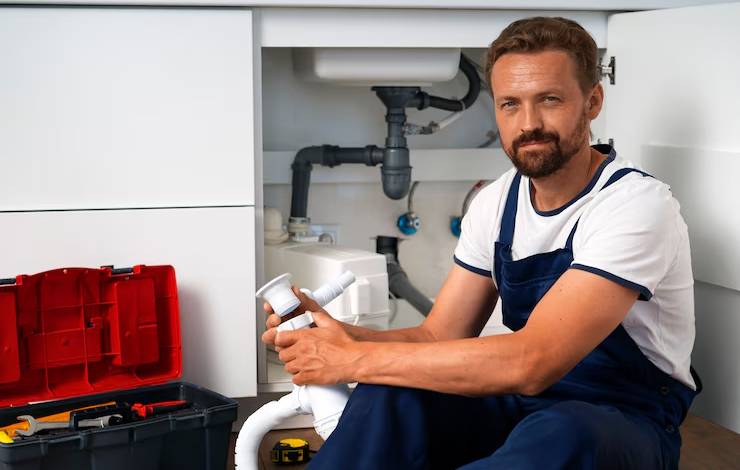
Featured Image Source: https://img.freepik.com/free-photo/plumbing-professional-doing-his-job_23-2150721542.jpg

Five Common Google Pixel Problems Fixed Fast in Sydney

Google Pixel phones have earned a solid reputation for their clean Android experience and impressive camera capabilities. These devices deliver excellent performance for most users, yet they’re not immune to common hardware and software issues. Many Pixel owners across Australia encounter similar problems that can disrupt their daily routine and cause significant frustration.

Google Pixel Phone Repair Sydney specialists see these issues regularly and have developed efficient repair processes for each problem type. The good news is that most Pixel problems can be diagnosed and fixed within a reasonable timeframe. Professional technicians understand the specific quirks of each Pixel model and can provide accurate assessments of repair costs and completion times.

Understanding the most frequent Pixel problems helps device owners recognise when professional intervention is necessary rather than attempting risky DIY fixes. Quick action often prevents minor issues from becoming major expensive repairs that could have been avoided with proper attention.

Cracked and Shattered Screen Damage

Screen damage represents the most common issue affecting Google Pixel devices across all model generations. The vulnerability stems from the large display size combined with the phone’s tendency to land face-down when dropped. Even minor impacts can create spider web cracks that spread rapidly across the entire screen surface.

Pixel screen repairs typically take between 45 minutes to 2 hours depending on the specific model and damage severity. The Google Pixel repair cost varies significantly based on whether you need just the outer glass replaced or the entire LCD assembly. Simple glass repairs might cost around $180-250, while full screen assemblies can reach $300-450 for newer models.

Professional repair services stock genuine and high-quality aftermarket screens for most Pixel models. The key difference lies in touch sensitivity and colour accuracy after replacement. Genuine parts maintain the original touch response and display quality, whilst cheaper alternatives might introduce slight delays or colour shifts that become noticeable during daily use.

Water damage often accompanies screen cracks, especially when the device continues to be used with a damaged display. Moisture can seep through the cracks and cause internal corrosion that leads to more expensive repairs. Getting screen damage fixed promptly prevents these secondary issues from developing.

Charging Port Failures and Power Issues

Charging port problems plague many Google Pixel users, particularly those who frequently charge their devices or use different charging cables. The USB-C port collects lint, dust, and debris over time, which blocks proper connection between the charging cable and internal contacts. This contamination causes intermittent charging or complete charging failure.

Port cleaning usually takes 15-30 minutes and costs around $40-60 when performed by experienced technicians. They use specialised tools to remove debris without damaging the delicate internal pins. Sometimes the issue requires complete port replacement, which takes 1-2 hours and costs approximately $120-180 depending on the Pixel model.

Software-related charging issues can mimic hardware problems, making proper diagnosis essential before any repair work begins. Technicians run comprehensive tests to determine whether the problem originates from the charging port, battery, or charging management system. Misdiagnosis leads to unnecessary repairs and wasted money.

Wireless charging problems also affect certain Pixel models, usually caused by misaligned charging coils or damaged internal connections. These repairs require more extensive disassembly and typically cost $150-220 to complete properly.

Camera Malfunctions and Focus Problems

Google Pixel cameras are renowned for their computational photography capabilities, but hardware failures can render these features useless. Common camera issues include black screens when opening the camera app, blurry photos regardless of lighting conditions, and focusing problems that prevent sharp image capture.

Camera module replacement takes approximately 1-1.5 hours for most Pixel models. The repair timeline depends on parts availability, as genuine Pixel camera modules sometimes require special ordering. Standard repairs cost between $180-280, though newer models with advanced camera systems might reach $350-400 for complete module replacement.

Software conflicts occasionally cause camera malfunctions that mimic hardware failures. Experienced technicians perform thorough diagnostics to rule out software issues before recommending hardware replacement. Factory resets and cache clearing can resolve certain camera problems without any physical repairs.

Multiple camera systems in newer Pixel models complicate repairs since each lens might fail independently. Wide-angle, telephoto, and main cameras can develop separate issues requiring individual attention and potentially increasing overall repair costs.

Boot Loop and Software Corruption

Boot loops prevent Google Pixel devices from completing the startup process, leaving users with unusable phones that continuously restart. These problems often result from corrupted system files, failed software updates, or hardware issues affecting the device’s ability to load the operating system properly.

Software-based boot loop repairs typically take 30-90 minutes depending on the corruption severity. Simple fixes might only require system file restoration or factory reset procedures costing around $60-100. More complex software corruption might need complete firmware reinstallation taking 2-3 hours and costing $120-180.

Hardware-related boot loops prove more challenging and expensive to resolve. Faulty storage chips, damaged motherboard components, or corrupting memory modules require component-level repairs or complete board replacement. These repairs can take several days and cost $300-500 depending on the specific hardware failure.

Data recovery becomes critical when boot loops prevent normal device access. Professional repair services can often extract important files, photos, and contacts even from severely corrupted devices. This service typically adds $80-150 to the total repair cost but proves invaluable for users with irreplaceable data.

Battery Degradation and Power Management

Google Pixel batteries gradually lose capacity over time, leading to shorter usage periods between charges and unexpected shutdowns. Most Pixel models experience noticeable battery degradation after 18-24 months of regular use. Cold weather can accelerate these symptoms and make battery problems more apparent.

Battery replacement procedures take 45-75 minutes for most Pixel models, though some designs require more extensive disassembly. Battery replacement costs range from $120-200 depending on the specific model and battery capacity. Newer Pixel devices with larger batteries typically cost more to replace.

Quality differences between genuine and aftermarket batteries significantly impact post-repair performance. Genuine batteries maintain original capacity specifications and safety features, while cheaper alternatives might offer reduced capacity or pose potential safety risks. Professional repair services typically offer warranties on genuine battery installations.

Power management chip failures can cause symptoms similar to battery degradation but require different repair approaches. These issues need proper diagnosis to avoid unnecessary battery replacement when the actual problem lies within the charging management system.

Conclusion

Google Pixel problems range from simple fixes to complex hardware failures requiring professional expertise. Screen damage, charging issues, camera malfunctions, boot loops, and battery problems represent the most frequent concerns affecting Pixel users across Sydney. Quick professional diagnosis prevents minor issues from becoming expensive major repairs.

Most common Pixel problems can be resolved within 1-3 hours with genuine parts and experienced technicians. Repair costs vary significantly based on the specific issue and model, but professional services typically provide warranties and quality guarantees that protect your investment. Don’t let Pixel problems disrupt your daily routine when fast, reliable repairs are available throughout Sydney.

Featured Image Source: https://img.freepik.com/free-vector/realistic-vector-icon-set-broken-screen-phone-whole-phone-smartphone-devise-need-repair-isolated-white-background_528282-276.jpg

From Design to Deployment: The Lifecycle of a Control System

Control systems progress through distinct phases, from initial concept planning to final deployment, requiring careful coordination of architecture design, hardware integration, software programming, testing protocols, and ongoing optimization to achieve industrial precision.

Modern manufacturing faces mounting pressure to deliver consistent results while managing complex operations. Companies struggle with outdated manual processes that create bottlenecks and quality inconsistencies. The fear of system failures during peak production runs keeps managers awake at night. These challenges demand sophisticated solutions that bridge the gap between concept and reality.

Control systems engineering has emerged as the discipline that transforms operational chaos into predictable outcomes. Engineers in this field understand that successful projects require methodical progression through each development phase. The stakes remain high because poorly executed systems can cripple entire production lines. Manufacturers recognize that investing in proper system lifecycle management prevents costly downtime and ensures scalable operations.

The third phase of system development involves translating conceptual designs into tangible hardware configurations. This stage determines whether theoretical frameworks can withstand real-world industrial conditions. Engineers must balance performance requirements against budget constraints while maintaining future expansion capabilities. The pressure intensifies as stakeholders expect systems that deliver immediate returns on investment.

Concept Planning and Initial Requirements

Project initiation begins with stakeholder meetings that often reveal conflicting priorities and unrealistic expectations. Business leaders want rapid deployment while technical teams emphasize thorough planning phases. The tension between speed and precision creates challenges that experienced engineers navigate through careful requirement gathering. Documentation becomes critical as verbal agreements tend to shift during extended project timelines.

Risk assessment during planning phases exposes potential failure points before costly implementation begins. Engineers examine existing infrastructure limitations and identify integration challenges that could derail projects. The analysis includes evaluating operator skill levels and maintenance capabilities within target facilities. Smart planning prevents expensive redesigns after hardware installation has commenced.

System Architecture Development

Architecture design transforms abstract requirements into concrete technical specifications that guide subsequent development phases. Engineers create detailed drawings that specify component relationships and communication protocols between subsystems. The architecture must accommodate future modifications without requiring a complete system overhaul. This forward-thinking approach protects investment value over extended operational periods.

Scalability considerations influence every architectural decision, as businesses rarely remain static after system deployment. The design process includes provisions for capacity expansion and technology upgrades that maintain competitive advantages. Engineers balance current needs against anticipated growth patterns to avoid premature obsolescence. Architecture decisions made during this phase may impact system performance for decades.

Hardware Integration Challenges

Physical component selection requires a deep understanding of industrial environments and their harsh operating conditions. Without proper protection measures, temperature fluctuations, vibration, and electromagnetic interference can destroy sensitive electronics. Engineers specify ruggedized components that maintain accuracy despite challenging environmental factors. The cost difference between standard and industrial-grade hardware justifies itself through reduced maintenance requirements.

Installation coordination involves multiple trades working simultaneously within confined spaces and tight schedules. Electrical technicians, mechanical fitters, and network specialists must complete their tasks without interfering with parallel activities. Project managers coordinate these efforts while maintaining safety standards and quality control measures. Poor coordination during installation phases creates delays that cascade through entire project timelines.

Software Programming and Configuration

Control logic development translates operational procedures into automated sequences that eliminate human error and inconsistency. Programmers create algorithms that respond appropriately to thousands of possible input combinations and fault conditions. The complexity increases exponentially as systems integrate multiple production lines and quality control checkpoints. Debugging becomes essential because software errors can trigger expensive equipment damage or product recalls.

User interface design determines how effectively operators interact with automated systems during normal and emergency conditions. Screens must present critical information clearly while avoiding information overload that leads to poor decisions. The interface includes alarm management systems that prioritize notifications based on severity and operational impact. Poor interface design contributes to operator errors that compromise system effectiveness.

Testing and Validation Protocols

Factory acceptance testing occurs in controlled environments where systems prove their capabilities before shipment to final locations. Engineers simulate operational conditions and verify that all components respond according to specifications. This testing phase reveals integration issues that require resolution before expensive site installation begins. Comprehensive testing prevents costly field modifications and reduces commissioning timeframes.

Site acceptance testing validates system performance under actual operating conditions with real production materials and environmental factors. The testing includes worst-case scenarios that push systems to their operational limits. Operators receive training during this phase to ensure they understand proper procedures and emergency responses. Successful testing builds confidence that systems will perform reliably during production operations.

Commissioning and Startup Procedures

System commissioning involves methodical startup procedures that gradually introduce operational loads while monitoring performance parameters. Engineers adjust control parameters to optimize system response characteristics for specific applications and operating conditions. The process includes calibrating sensors and actuators to ensure measurement accuracy throughout operational ranges. Proper commissioning establishes baseline performance metrics for future comparison and troubleshooting activities.

Operator training during commissioning ensures that personnel understand system capabilities and limitations before taking full responsibility for operations. The training includes normal operating procedures and emergency shutdown sequences that protect equipment and personnel. Documentation packages provide reference materials that support ongoing operations and maintenance activities. Comprehensive training reduces the likelihood of operator errors that could compromise system performance or safety.

Ongoing Optimization and Maintenance

Performance monitoring systems track key metrics that indicate system health and operational efficiency over extended periods. Data analysis reveals trends that predict maintenance requirements and identify optimization opportunities. The monitoring includes energy consumption patterns that highlight inefficiencies and potential cost savings. Proactive monitoring prevents unexpected failures that disrupt production schedules and damage customer relationships.

Continuous improvement programs analyze operational data to identify enhancement opportunities that could increase productivity and reduce operating costs. Engineers review system performance against original specifications and industry benchmarks to assess improvement potential. The analysis includes evaluating new technologies that could upgrade existing systems without complete replacement. Regular optimization maintains competitive advantages as market conditions and customer expectations evolve.

Conclusion

The journey from the initial concept to a fully operational control system demands expertise that spans multiple engineering disciplines and project management skills. Success requires careful attention to each lifecycle phase while maintaining focus on long-term operational objectives and scalability requirements. Companies that invest in proper system development processes achieve better outcomes and avoid the costly mistakes that plague rushed implementations.

Ready to transform your operational challenges into competitive advantages? Contact experienced control systems professionals who understand the complete development lifecycle and can guide your project from concept through successful deployment and ongoing optimization.

Featured Image Source: https://img.freepik.com/free-photo/view-male-engineer-work-engineers-day-celebration_23-2151615155.jpg

How Cremation Services Me Are Changing the Way We Say Goodbye

American families are choosing cremation at a record rate, transforming traditional funeral practices. This shift reflects changing values around cost, environmental impact, personal beliefs, and meaningful memorial experiences that better fit modern lifestyles.

The way Americans approach death and final farewells has shifted dramatically over the past two decades. Where once elaborate funeral services and traditional burials dominated end-of-life planning, families now explore alternatives that better reflect their values, budgets, and personal preferences. This transformation isn’t just about changing customs—it represents a fundamental rethinking of how people want to be remembered and what constitutes a meaningful goodbye. The statistics tell a compelling story of cultural evolution that touches every community across the nation.

Modern families searching for “cremation services near me” discover options their grandparents never considered. The convenience factor plays a major role in making this decision. Unlike traditional funerals that require immediate action and substantial financial commitments, cremation allows families time to plan memorial services that truly reflect their loved one’s personality and wishes. This flexibility has become particularly appealing to families dealing with geographic distances, work schedules, or complex family dynamics that make coordinating traditional services challenging.

Cremation in Phoenix has seen remarkable growth, mirroring national trends showing that over 56% of Americans now choose cremation over burial. The reasons behind this shift vary widely, but practical considerations often drive the initial interest. Families appreciate the ability to plan services around their schedules rather than rush through decisions during an emotionally difficult period. This approach allows for a more thoughtful, personalized celebration of life that can take place weeks or months after the actual cremation.

Breaking Down Traditional Barriers

Religious perspectives on cremation have evolved considerably, removing barriers that once prevented many families from considering this option. Major Christian denominations, including the Catholic Church, now accept cremation as an appropriate choice, provided certain guidelines are followed. This theological shift has opened doors for millions of Americans who previously felt conflicted between their personal preferences and religious teachings. Jewish and Islamic communities still generally prefer burial, though some progressive movements within these faiths are beginning to discuss cremation more openly.

The environmental consciousness of younger generations drives another significant factor in cremation’s growing popularity. Traditional burial practices require substantial land use, embalming chemicals, metal caskets, and concrete vaults that many people now view as environmentally problematic. While cremation does consume energy and produce emissions, many families see it as a more sustainable option than traditional burial methods. Some providers now offer eco-friendly cremation alternatives that further reduce environmental impact through cleaner burning technologies.

Economic Realities Shape Decisions

Financial considerations cannot be ignored when examining cremation’s rising popularity. The average traditional funeral costs between $7,000 and $12,000, while direct cremation services often cost less than $2,000. This dramatic price difference makes cremation accessible to families across economic backgrounds, removing financial stress during already difficult times. The savings extend beyond the initial service, as families avoid ongoing cemetery maintenance fees, headstone expenses, and burial plot purchases, which can add thousands to final costs.

Economic pressures particularly affect middle-class families who earn too much to qualify for assistance programs but struggle with unexpected funeral expenses. Cremation provides dignity and closure without creating a financial hardship that could affect surviving family members for years. Some people view this practical approach as more considerate than leaving loved ones with substantial funeral debt during their grieving.

The flexibility of cremation also allows families to allocate resources differently. Instead of spending heavily on a single day’s service, families can invest in meaningful memorial activities, charitable donations in the deceased’s name, or practical support for surviving family members. This redistribution of funeral-related spending often creates more a lasting positive impact than traditional elaborate services.

Personalization and Meaningful Memorials

Modern memorial services have become increasingly personalized, reflecting the unique interests, achievements, and personality of the deceased. Cremation enables this personalization by removing the time constraints and logistical limitations of traditional funerals. Families can hold celebrations of life in meaningful locations, incorporate favorite music and foods, and invite speakers who truly knew the person rather than relying solely on clergy who may have limited personal connection.

The rise of scattering ceremonies represents another aspect of this personalization trend. Families choose locations that held special meaning—favorite hiking trails, beaches, gardens, or family properties. These intimate ceremonies often feel more authentic and healing than formal cemetery services. Some families divide cremated remains among multiple family members, allowing each person to create their own memorial ritual or keepsake.

Creative memorial options continue to expand as cremation becomes more accepted. Families commission custom urns that reflect hobbies or interests, incorporate cremated remains into jewelry or artwork, or even use them in reef-building projects or tree plantings. These alternatives provide ongoing connection and remembrance in ways that traditional burial monuments cannot match.

Technology’s Role in Modern Memorialization

Digital memorialization has transformed how families preserve and share memories of their loved ones. Online memorial websites, social media tributes, and video commemoration services allow extended networks of friends and family to participate in remembrance regardless of geographic location. These platforms often provide more comprehensive and lasting records of a person’s life than traditional obituaries or grave markers.

Live-streaming technology enables remote participation in memorial services, particularly valuable for military families, immigrants, or those with mobility limitations. This technological integration has become even more important following the COVID-19 pandemic, when many families discovered the value of virtual participation in memorial events. The combination of cremation’s flexibility and digital commemoration tools creates new possibilities for inclusive, meaningful farewells.

Nonprofit Options Expand Access

The emergence of nonprofit cremation providers has made dignified services accessible to even more families. These organizations focus on removing financial barriers while maintaining respectful, professional standards. Unlike for-profit funeral homes that must generate returns for investors, nonprofit providers can offer services at or near cost, significantly reducing expenses for families in need.

Some nonprofit organizations specialize in serving specific communities—veterans, low-income families, or those without family support networks. These targeted services often include additional support beyond just cremation, such as grief counseling, assistance with legal paperwork, or connections to community resources. This holistic approach recognizes that death affects families in multiple ways that extend beyond the immediate need for body disposition.

Religious and community organizations increasingly offer cremation services as part of their ministry or community service mission. These faith-based options provide comfort to families who want spiritual guidance while still benefiting from cost-effective cremation services. The combination of pastoral care and affordable pricing appeals to many families who feel torn between their financial limitations and desire for a meaningful religious ceremony.

Future Trends and Considerations

Cremation rates continue to climb, with projections suggesting they will exceed 80% by 2040 in many regions. This growth drives continued development of new memorial options, cremation technologies, and service models. Water cremation, also known as alkaline hydrolysis, represents one emerging alternative that uses less energy than traditional flame cremation while producing similar results.

The funeral industry adapts to these changing preferences by expanding service offerings and rethinking traditional business models. Many funeral homes now emphasize their cremation services and memorial planning capabilities rather than focusing primarily on traditional burial options. This evolution reflects broader changes in consumer expectations and values that prioritize flexibility, personalization, and value over tradition and formality.

Conclusion

The shift toward cremation represents more than changing funeral preferences—it reflects evolving values around death, remembrance, and family priorities. As families seek options that align with their environmental consciousness, financial realities, and desire for personalized memorialization, cremation provides the flexibility and accessibility that traditional burial often cannot match. Whether motivated by practical considerations or personal beliefs, families choosing cremation find meaningful ways to honor their loved ones while addressing their own needs during a difficult time. If you’re considering end-of-life options for yourself or a family member, explore local cremation providers to understand how these services might provide the dignity, affordability, and personalization that best serves your family’s unique situation.

Featured Image Source: https://img.freepik.com/free-photo/front-view-dark-candle-lighting-dark-surface_179666-37894.jpg

Your Health Abroad: Essential Coverage required for Global Living and Learning

Living outside one’s home country presents unique healthcare challenges that standard domestic insurance simply cannot address. Whether pursuing education in distant lands or establishing long-term residence abroad, individuals face potential medical emergencies without adequate protection. The consequences of inadequate coverage can result in devastating financial burdens and limited access to essential medical services.

US health insurance for expats represents a critical solution for American citizens establishing lives in foreign nations. These specialised plans recognise that domestic coverage typically provides minimal or no benefits outside the United States. Without proper international protection, expats risk facing astronomical medical bills that could destroy their financial stability and compromise their ability to receive necessary treatment.

College student medical insurance becomes equally vital for international students pursuing education abroad. Standard university health plans often provide limited coverage, leaving students vulnerable to unexpected medical expenses. International students face unique risks including language barriers, unfamiliar healthcare systems, and potential complications from pre-existing conditions that require specialised attention and comprehensive coverage.

Understanding International Healthcare Challenges

  • Financial Exposure Risks: International healthcare systems operate differently from domestic models, often requiring upfront payments before treatment begins. Without proper coverage, a single emergency room visit can cost thousands of pounds, creating immediate financial strain that affects educational or career goals.
  • Healthcare System Navigation: Foreign medical systems present complex challenges including different treatment protocols, documentation requirements, and communication barriers. Proper insurance provides essential support services that help navigate these complexities, ensuring individuals receive appropriate care without unnecessary delays or complications.
  • Emergency Evacuation Needs: Serious medical emergencies may require transportation to facilities with advanced capabilities or repatriation to home countries. Standard travel insurance rarely covers these expensive procedures, leaving individuals stranded without access to potentially life-saving treatments.

Key Features of International Health Protection

  • Comprehensive Coverage Options: International health plans typically include hospitalisation, outpatient care, prescription medications, and emergency dental treatment. These plans often provide broader coverage than domestic alternatives, recognising the unique needs of individuals living away from familiar healthcare networks.
  • Global Provider Networks: Established international insurers maintain extensive networks of healthcare providers worldwide. This ensures individuals can access quality medical care without worrying about provider acceptance or reimbursement complications that often plague domestic insurance when used internationally.
  • Emergency Response Services: Quality international plans include 24-hour emergency assistance, helping coordinate care during critical situations. These services provide invaluable support during medical emergencies, ensuring individuals receive appropriate treatment while managing communication with healthcare providers and family members.

Selecting Appropriate International Coverage

  • Pre-existing Condition Considerations: Many international health plans offer coverage for pre-existing conditions after waiting periods, providing essential protection for individuals with chronic health issues. This coverage becomes particularly important for long-term residents who cannot risk gaps in essential medical care.
  • Regional vs Global Coverage: Plans vary in geographical scope, with some offering regional coverage and others providing worldwide protection. The choice depends on travel patterns, residency status, and individual healthcare needs that may require treatment in multiple countries.
  • Coverage Duration and Renewal: International health plans offer various duration options, from short-term student coverage to long-term expat policies. Understanding renewal terms, premium adjustments, and coverage continuity becomes essential for maintaining uninterrupted protection throughout international stays.

Essential Benefits to Consider

  • Evacuation and Repatriation Services: Quality international health insurance includes emergency evacuation to appropriate medical facilities and repatriation to home countries when necessary. These services can cost hundreds of thousands of pounds without proper coverage, making them essential components of comprehensive protection.
  • Maternity and Family Coverage: International plans often include maternity benefits and family coverage options, recognising that life events continue regardless of geographical location. These benefits ensure individuals can access quality care during significant life moments without facing prohibitive costs.
  • Mental Health and Wellness Support: Modern international health plans increasingly include mental health benefits, recognising the psychological challenges of living abroad. These services provide essential support for adjustment difficulties, stress management, and ongoing psychological care that may be needed during international stays.

Key considerations for international health protection include:

  • Coverage territory limitations – ensuring protection extends to intended destinations and residence countries
  • Claim processing procedures – understanding documentation requirements and reimbursement timelines for international claims
  • Provider network accessibility – verifying quality healthcare providers are available in intended locations
  • Emergency contact protocols – knowing how to access assistance during medical emergencies
  • Policy exclusions and limitations – understanding what conditions and treatments are not covered

Conclusion

International health protection represents an essential investment for anyone living, studying, or working abroad. The risks of inadequate coverage far outweigh the costs of comprehensive protection, particularly when considering the potential for devastating financial consequences and limited access to quality medical care. Take action today to secure appropriate international health coverage that matches your specific needs and circumstances, ensuring peace of mind throughout your global journey.

Featured Image Source: https://media.gettyimages.com/id/1764822489/photo/in-his-first-year-of-medical-studies.jpg

From Chaos to Calm: Organizing Your Space for a More Productive Life

In today’s fast-paced world, it’s easy for our living and working spaces to become cluttered and chaotic. The physical environment we inhabit has a profound impact on our mental state, productivity, and overall well-being. Transforming a disorganized space into a calm, organized haven isn’t just about aesthetics; it’s about creating an environment that supports your goals and promotes tranquility. Here’s a guide to help you turn chaos into calm by organizing your space for a more productive life.

1. Understand the Impact of Clutter

Before diving into organizational strategies, it’s important to recognize the impact of clutter. Clutter isn’t just about a messy room; it’s a physical manifestation of mental clutter. Studies show that a cluttered environment can increase stress levels, decrease focus, and lead to feelings of overwhelm. On the other hand, an organized space can enhance clarity, boost productivity, and contribute to a sense of calm.

2. Start with a Plan

Successful organization begins with a plan. Assess your space and identify areas that need attention. Whether it’s a cluttered desk, overflowing closet, or chaotic kitchen, pinpointing problem areas helps you prioritize tasks.

Steps to Plan Your Organization:

  • Evaluate: Look at each area of your home or office. Which spaces are most problematic? Which ones do you use most frequently?
  • Set Goals: Define what you want to achieve. For instance, you might want to streamline your workspace to enhance productivity or declutter your living room for a more relaxing environment.
  • Create a Timeline: Break down your tasks and set deadlines. Organizing an entire house can be overwhelming, so tackle one area at a time.

3. Declutter Before You Organize

Decluttering is a crucial step before organizing. You can’t effectively organize items you don’t need. Begin by sorting through your belongings and deciding what to keep, donate, or discard.

Decluttering Tips:

  • Use the “One-Year Rule”: If you haven’t used an item in the past year, consider getting rid of it. This rule applies to clothing, gadgets, and even sentimental items.
  • Categorize: Sort items into categories—clothes, books, documents, etc. This helps in understanding how much you have and what can be discarded.
  • Go Through Each Room: Tackle one room or area at a time to avoid feeling overwhelmed.

4. Implement Effective Organizational Systems

Once you’ve decluttered, it’s time to implement systems that work for you. Organizational systems vary based on personal preferences and the nature of the space.

Ideas for Different Areas:

  • Desk Organization: Use trays, drawer dividers, and cable organizers to keep your workspace tidy. Keep essential items within reach and store less frequently used items in drawers or cabinets.
  • Closets and Wardrobes: Use clear bins or labeled boxes for smaller items. Arrange clothing by category or color for easy access. Consider installing extra shelves or hooks if needed.
  • Kitchen Organization: Use shelf risers, drawer dividers, and lazy Susans to maximize space and keep items accessible. Group similar items together, like baking supplies or utensils.
  • Living Areas: Use multifunctional furniture with storage options. Incorporate baskets or decorative boxes for toys, magazines, and other clutter.

5. Establish Maintenance Routines

Maintaining organization requires ongoing effort. Establish routines to ensure your space remains clutter-free and functional.

Routine Maintenance Tips:

  • Daily Tidying: Spend a few minutes each day putting things back in their place. This prevents clutter from accumulating and keeps your space tidy.
  • Weekly Reviews: Dedicate time each week to assess and address any areas that may be getting disorganized. This helps in catching small issues before they become larger problems.
  • Seasonal Decluttering: At least once a season, go through your belongings to reassess and declutter. Seasonal changes can bring new items and the need for periodic organization.

6. Create Zones for Different Activities

Dividing your space into specific zones for different activities can enhance organization and productivity.

Examples of Zoning:

  • Work Zone: If you work from home, designate a specific area for work. This separation helps in maintaining focus and distinguishing work time from personal time.
  • Relaxation Zone: Create a comfortable, clutter-free area for relaxation. This could include a cozy reading nook or a peaceful corner for meditation.
  • Activity Zones: For multi-functional rooms, like living rooms or family rooms, designate different zones for different activities (e.g., a play area for kids, a reading corner, etc.).

7. Personalize Your Space

An organized space is also one that reflects your personality and preferences. Personal touches make a space feel more comfortable and enjoyable.

Ways to Personalize:

  • Decor: Use artwork, plants, or decorative items that make you happy and enhance the ambiance of the space.
  • Color Scheme: Choose colors that promote calm and focus. Soft blues, greens, and neutrals often create a peaceful environment.
  • Comfort: Invest in comfortable furniture and accessories, like ergonomic chairs or soft cushions, to enhance the functionality and comfort of your space.

8. Benefits of a Well-Organized Space

The benefits of a well-organized space extend beyond mere aesthetics. An organized environment contributes to:

  • Increased Productivity: A clutter-free space enhances focus and efficiency, making it easier to accomplish tasks.
  • Reduced Stress: An organized space reduces feelings of overwhelm and creates a calming atmosphere.
  • Enhanced Well-Being: A tidy environment promotes a sense of control and accomplishment, positively impacting mental and emotional well-being.

Featured Image Source: https://cdn.pixabay.com/photo/2017/08/01/13/36/computer-2565478_640.jpg

How to Make the Most of Your Weekend: Fun and Relaxing Ideas

Weekends are a precious respite from the grind of the workweek. They offer a chance to unwind, recharge, and perhaps pursue interests and hobbies that are sidelined during busy workdays. Making the most of your weekend involves striking a balance between relaxation and productive activities that leave you feeling fulfilled and ready to tackle the new week. Whether you’re looking to relax or want to be more active, here are some fun and relaxing ideas to help you maximize your weekends.

1. Plan Ahead, but Leave Room for Spontaneity

One key to a successful weekend is a bit of planning. Start by listing activities you’d like to do, whether they’re projects around the house, outdoor adventures, or simple relaxation. A little foresight can help you make the most of your time without feeling rushed or overwhelmed. However, it’s important to allow for spontaneity. Sometimes, the best moments come from unplanned activities or unexpected opportunities.

2. Explore Local Attractions

Weekends are a great opportunity to explore your local area. Visit museums, parks, or landmarks you haven’t been to in a while. Many cities have hidden gems that even locals might overlook. Look for local events or festivals that might be taking place; these can be great fun and a chance to support your community. If you’re not sure where to start, a quick online search or a visit to a local tourism website can provide inspiration.

3. Embrace Outdoor Activities

Getting outside can be incredibly refreshing. Depending on the weather and your interests, you might enjoy hiking, biking, or even a leisurely walk in a nearby park. Outdoor activities not only provide physical exercise but also mental relaxation. If you have a garden or outdoor space, consider spending time gardening or simply lounging in the sun with a good book. Fresh air and nature have proven benefits for mental health and overall well-being.

4. Indulge in a Hobby

Weekends offer the perfect chance to dive into hobbies that you might not have time for during the week. Whether it’s painting, cooking, woodworking, or playing an instrument, spending time on activities you love can be incredibly rewarding. If you don’t have a current hobby, consider exploring something new. You might discover a new passion that adds a great deal of joy to your life.

5. Prioritize Self-Care

Self-care is crucial for maintaining your overall health and happiness. Use your weekends to indulge in activities that help you relax and recharge. This could be as simple as taking a long bath, practicing yoga, or meditating. Consider treating yourself to a spa day or a massage if that’s something you enjoy. Even small acts of self-care can make a big difference in how refreshed you feel.

6. Connect with Loved Ones

Spending quality time with family and friends is one of the best ways to make your weekends memorable. Plan a brunch, host a game night, or simply enjoy a meal together. Engaging in meaningful conversations and shared activities can strengthen your relationships and provide a sense of connection and support. If you’re not able to meet in person, consider setting up a video call or a virtual game night.

7. Get Creative in the Kitchen

Cooking can be a fun and rewarding way to spend your weekend. Experiment with new recipes, bake a special treat, or prepare a meal you’ve been wanting to try. Cooking together with family or friends can also be a great bonding experience. If you’re looking for a creative outlet, consider starting a food blog or social media account to share your culinary adventures.

8. Catch Up on Reading or Watch a Movie

Weekends are a great time to catch up on reading or indulge in a movie marathon. Choose a book you’ve been meaning to read or revisit an old favorite. If you’re more of a visual learner, pick a series or movie that you’ve been wanting to watch. Create a cozy space with blankets and snacks to make it an enjoyable experience.

9. Engage in Community Service

Volunteering can be a fulfilling way to spend your weekend. Look for local organizations or charities that need help and see if there are any opportunities to get involved. Whether it’s helping out at a food bank, participating in a community cleanup, or assisting at a local animal shelter, giving back can provide a deep sense of satisfaction and purpose.

10. Plan for the Week Ahead

While it might not sound like the most exciting weekend activity, preparing for the week ahead can help reduce stress and make your upcoming days smoother. Use some time to organize your schedule, meal plan, or tackle any household tasks. This preparation can free up time during the week for more enjoyable activities and help you start the new week feeling more organized and less frazzled.

Featured Image Source: https://img.freepik.com/free-photo/smiling-relaxed-man-enjoying-pleasant-morning-sitting-terrace-outdoor_1163-3963.jpg

Copyright © 2026 — Palazzo Michiel. All rights reserved.