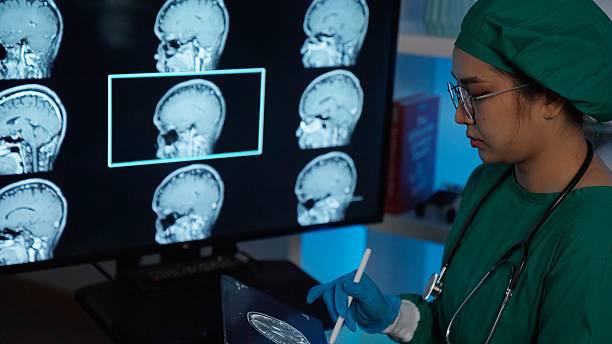
Neurological conditions strike without warning, affecting movement, memory, cognition, and independence across all age groups. Families face urgent decisions when headaches intensify, limbs weaken, or balance fails suddenly. Early specialist assessment separates treatable problems from emergencies requiring immediate intervention.
Silent Threats Demand Swift Action
Recognising Patterns That Signal Danger: The best neurosurgeon in Ranchi evaluates persistent headaches with nausea, vision changes, or morning vomiting that signal raised intracranial pressure from expanding lesions. Patients often delay seeking help, mistaking symptoms for stress until coordination deteriorates. Expert imaging distinguishes migraines from space-occupying masses needing prompt intervention.
Spinal Warning Signs Escalate Quickly: Progressive weakness in hands or legs, accompanied by numbness or bladder changes, indicates cord compression from disc herniation or tumours at a hospital in Ranchi Jharkhand. General practitioners refer these cases when painkillers fail and reflexes alter. Delays risk permanent paralysis that surgery could have prevented through timely decompression.
Specialist Pathways Save Function
Advanced Diagnostics Pinpoint Root Causes: Patients access MRI sequences, CT angiography, and functional scans that map lesion locations relative to critical pathways. General hospitals lack this precision; misdiagnosis leads to inappropriate medications or delayed transfers. Neurosurgeons correlate scan findings with clinical exams for definitive treatment plans.
Tailored Interventions Match Condition Severity: Microsurgical resection removes accessible tumours while preserving surrounding brain tissue; endovascular coiling secures aneurysms before rupture. Stereotactic techniques target deep lesions without large openings. Patients regain function faster when surgery matches pathology exactly rather than generic approaches.
Treatment Windows Close Rapidly
Trauma Response Saves Nerve Tissue: Road accidents or falls causing unconsciousness, unequal pupils, or leaking spinal fluid require immediate stabilisation and surgical evacuation of blood clots compressing brain stems. Delayed transfers increase mortality; local expertise handles these cases within golden hours. Families see better recovery odds through rapid intervention.
Vascular Risks Demand Preemptive Care: Unruptured aneurysms discovered incidentally carry stroke risks that grow yearly; elective repair prevents catastrophic bleeds. Spinal arteriovenous malformations cause sudden paralysis when they haemorrhage. Monitoring alone fails when structural failure looms; definitive treatments secure long-term stability.
Critical Symptoms Requiring Urgent Scans:
- Sudden severe headache with neck stiffness
- Progressive weakness in limbs or trunk
- Vision loss, double vision, or drooping eyelids
- Loss of bladder control with back pain
Recovery Relies On Early Precision
Rehabilitation Starts From Accurate Surgery: Complete tumour removals reduce recurrence risks; partial resections leave malignant cells behind. Cord decompression within 48 hours preserves walking ability in 80% of cases versus 30% after weeks of delay. Patients return to work faster when initial surgery clears obstructions thoroughly.
Follow-up Prevents Secondary Complications: Serial scans track residual lesions or hydrocephalus development post-surgery. Medication adjustments control seizures or swelling without over-reliance on steroids. Multidisciplinary teams coordinate physiotherapy, speech therapy, and psychological support for holistic recovery.
Pathways To Restored Neurological Health
Delayed specialist care turns treatable lesions into lifelong disabilities affecting work, driving, and independence. Ranchi families deserve local access to neurosurgical expertise that intervenes before permanent damage occurs. Patients facing neurological symptoms can book a consultation today to secure expert evaluation and preserve quality of life.
Featured Image Source: https://media.gettyimages.com/id/2213904308/photo/female-surgeon-looks-at-screen-with-mri-scan-with-brain-images.jpg?s=612×612&w=0&k=20&c=vqcZnUGJb2zzdu0uJY63NCZ-wHhITmOCL256mFdPPGQ=
