By the end, you’ll be able to choose an entertainment format that fits the job your event needs done. You’ll also have the questions needed to protect the run-of-show before a performer is booked.
You’re weighing two quotes for the same conference or gala slot. One offers a speaker or stage act, while the other asks attendees to join in, but neither proposal explains which choice fits a recognition moment, a networking break, or a message that needs careful attention.
Why Format Follows Goal
Start with what the slot needs to accomplish. A search for motivational speakers Calgary may begin with a speaker choice, but the same decision applies when comparing motivational speakers Calgary with a participatory act: what should attendees be doing when the segment ends?
A passive keynote or stage act can suit a message people need to hear together, or a formal moment where the room should stay focused. Participation makes more sense when guests need a reason to meet unfamiliar people, reconnect after a long session, or shift the energy before the next agenda item.
Time on the Agenda
Participation changes the clock. A one-way presentation can begin on cue and stay close to its planned runtime, while an interactive segment may pause for volunteers to reach the stage, answer a prompt, or settle into the activity.
Build room for those moments in the run-of-show. Tell the AV lead, catering team, and stage manager where that flexibility sits, especially if service, awards, or a speaker transition follows the act.
Staging Questions Before Booking
Bring staging questions into the booking discussion before the final schedule is approved. A mentalist for hire can involve audience members, so the performer and production team need agreed answers well before show day.
- How will the AV team get a microphone to an audience member without stopping the room?
- Who selects volunteers, and can the performer decline someone who isn’t a fit?
- Can attendees at the back see the stage and follow the audience interaction?
- Who approves a run-of-show change if participation takes longer than planned?
Those answers also show what production support belongs in the event budget. If the performer needs a mic runner, a clear aisle, or a preset volunteer area, the room plan needs to account for it before guests arrive.
Where Participation Fits
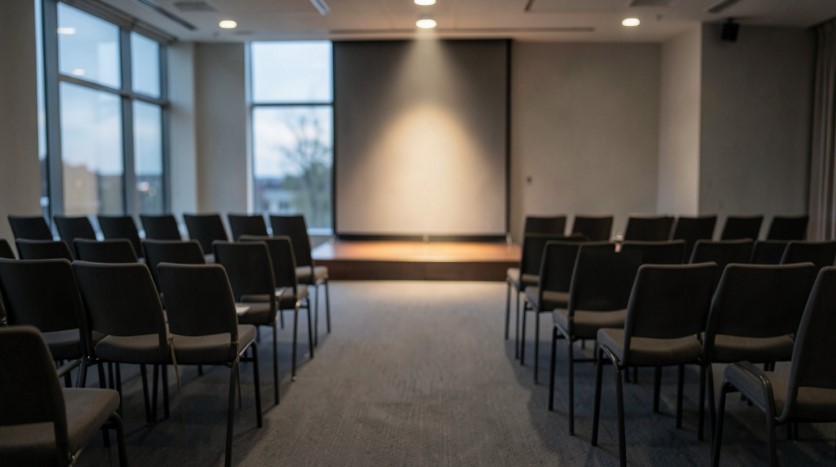
Room layout affects whether participation feels easy or forced. A theater setup can work well when one performer needs to address the full audience, while an activity that asks people to move around may leave guests at the edges disconnected.
Think about access as well as sightlines. A mentalist for hire needs a workable path to audience members, and volunteers need a way to reach the stage without crossing food service, blocking cameras, or slowing the next transition.
Keeping up with Trends
Planning judgment improves when you keep learning beyond a familiar event format. Professional meetings associations connect and educate event professionals, making them a useful resource for developing event-design skills.
PCMA also publishes business-events research and trend coverage for professionals tracking changes in meetings and events. Use those resources to question old assumptions when your audience, venue, or agenda changes.
In Closing
Before you accept either quote, write the event goal in plain language. Decide whether attendees need to listen, connect, or participate, then test that choice against the time, room setup, and production support your program can carry.
The stronger choice is the format that suits the room and agenda without creating avoidable pressure on the production team. Could everyone on your team explain that choice at a glance today?
