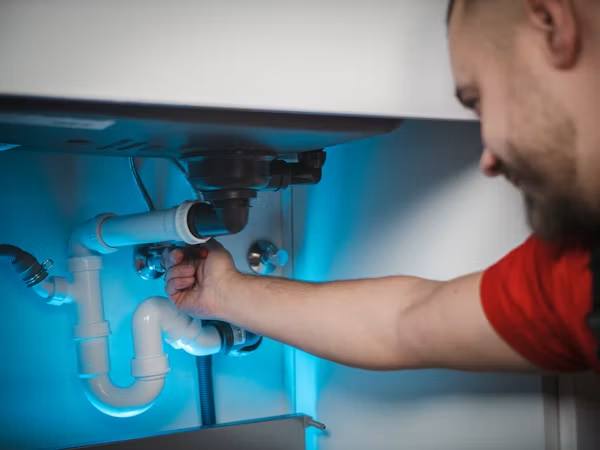
Something drips behind a wall, or the pressure drops overnight, and the guessing starts. A plumbing diagnostic closes the gap between noticing trouble and knowing what to do about it. Finding the fault is half the work. The rest is explaining it in language that lets a homeowner decide what happens next.
What Separates a Real Evaluation from a Quick Look
Testing before Any Recommendation Lands: A thorough plumbing diagnostic checks pressure at several points, inspects shutoffs, and traces the fault to its source instead of the nearest symptom. Camera work inside a drain line shows what a flashlight never will. Photos come out before any repair gets suggested, so the homeowner sees exactly what the technician sees.
Related Systems Checked at the Same Visit: Hard water leaves deposits that mimic other faults, and a scaled fixture looks a lot like a failing valve. Water conditioning gets reviewed during the same visit because mineral buildup drives repeat repairs across an entire house. Skip that check and the same complaint comes back in eight months. Sometimes sooner.
Plain Language Beats a Technical Lecture
Findings Explained without the Jargon: Homeowners make better calls when the explanation matches how they already think about their house. Backflow prevention sounds like code-book language until someone points at the valve and explains what happens when contaminated water moves the wrong direction. Naming the part helps. Showing the wear on it helps a great deal more.
Options Presented without the Push: Fear sells fast and it sells badly. A plumbing diagnostic that ends with three routes and honest trade-offs leaves the decision where it belongs, at the kitchen table. Cheapest option first, most durable option last, and a straight answer on what each one buys in years of service.
- Repair now, with an honest read on how much life the part has left
- Replace, when the cost of repeated fixes passes the cost of the unit itself
- Monitor it, since some faults move slowly and do not warrant a same-day call
- Treat the cause upstream rather than the fixture that happened to show the symptom
- Wait, then revisit after the next seasonal shift
Why the Follow-Up Matters as Much as the Finding
Written Findings the Household Can Revisit: Nobody remembers everything said during a stressful morning at the kitchen counter. Notes, photos, and a flat-rate figure in writing let a household talk it over before committing to anything. Evidence of pipe corrosion along a supply line reads very differently on paper than in a rushed verbal summary.
Timelines Set around Real Risk: A slab leak moves faster than a slow drip under a sink, and treating both as emergencies wastes money. Water conditioning belongs in the planned column, worth scheduling before the next round of scale damage instead of after it. That ranking is the part homeowners remember months later.
Walking Away Knowing Exactly Where Things Stand
The best visits end with a homeowner who understands the problem, the fix, and the cost before anyone touches a wrench. No pressure, no vague warnings about what might happen next winter. Call a highly trained plumbing team for a full diagnostic, look at the findings yourself, and pick the option that fits your house and your budget. Or call 833-628-6440 to schedule one directly.
