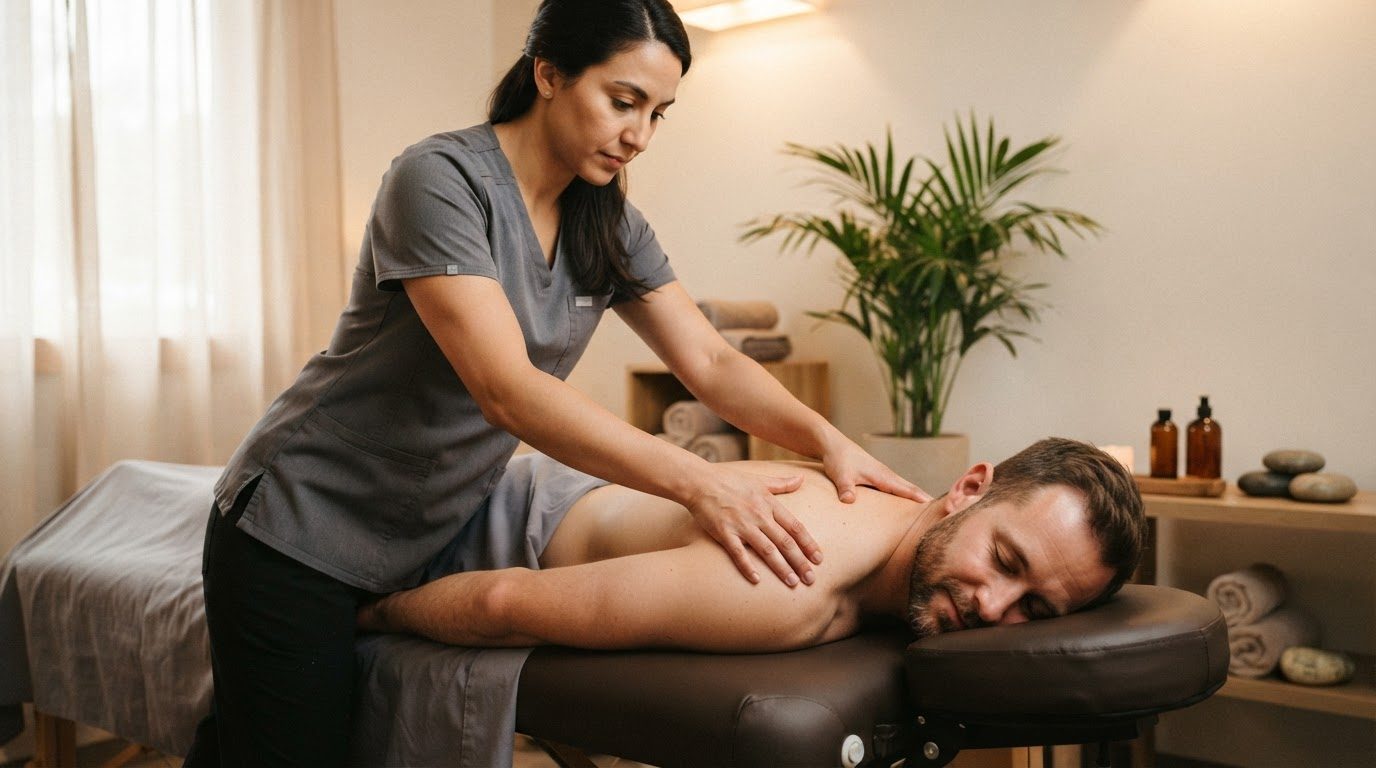
Many people seek massage therapy for immediate relaxation, a temporary escape from daily stressors. While the soothing touch of a massage can certainly provide a welcome reprieve, its potential extends far beyond simple stress reduction. For those experiencing persistent muscle tightness, chronic pain, or limited mobility, massage therapy can be a crucial component of a broader strategy for long-term physical well-being.
The effectiveness of massage therapy often lies in its ability to address the underlying causes of discomfort, rather than just the symptoms. Whether it’s improving circulation, reducing inflammation, or releasing deeply held tension, the right approach to Massage therapy can contribute significantly to a healthier, more active life. Understanding the various techniques and their specific applications is key to finding the most beneficial treatment.
At True Health Chiropractic and Acupuncture, massage therapy is viewed as an integral part of a comprehensive wellness plan, focusing on identifying and correcting the root causes of musculoskeletal issues. Their approach to True Health Chiropractic and Acupuncture goes beyond a standalone rubdown, aiming to provide lasting change and support overall health.
Why Muscle Tension Persists: Unpacking the Root Causes
The recurring nature of muscle tightness and pain can be frustrating. Many individuals experience temporary relief from stretching or general massages, only to find the discomfort returning shortly after. This cyclical pattern often indicates that the underlying issues contributing to the tension have not been fully addressed.
Muscles rarely tighten without a reason. Their state is a complex interplay of several factors, including:
- Poor Posture: Sustained incorrect posture, whether from desk work, driving, or even sleeping positions, can place undue stress on certain muscle groups, leading to chronic tension and imbalance.
- Past Injuries: Even seemingly minor past injuries can alter movement patterns, causing some muscles to overcompensate and others to become underutilized, resulting in persistent tightness.
- Daily Stress: Psychological stress manifests physically, often leading to involuntary muscle clenching and sustained tension in areas like the neck, shoulders, and jaw.
- Stiff Joints: When joints lack their full range of motion, surrounding muscles must work harder to facilitate movement, leading to fatigue and tightness.
- Muscle Imbalances: Some muscles may become hyperactive, doing too much work, while others become inhibited or weak. This imbalance can create “knots,” limit motion, and perpetuate pain cycles.
A quick massage might temporarily alleviate symptoms, but without identifying and addressing these root causes, the tension is likely to return. A more targeted approach involves a thorough assessment of movement patterns and a deep understanding of how these factors contribute to an individual’s specific discomfort.
Tailoring Massage Techniques to Your Needs
With a wide array of massage styles available, selecting the most appropriate technique is crucial for achieving specific health goals. Different modalities are designed to address various issues, from deep-seated muscle knots to improved lymphatic flow.
Common Massage Modalities and Their Applications
- Deep Tissue Massage: This technique focuses on the deeper layers of muscle and connective tissue. It uses slow, deliberate strokes and sustained pressure to release chronic muscle tension and adhesions (knots). It’s particularly effective for individuals with persistent pain, stiffness, or those recovering from injuries.
- Sports Massage: Geared towards athletes or highly active individuals, sports massage aims to prevent injuries, improve flexibility, and aid in recovery before, during, and after physical activity. It often incorporates a blend of techniques, including stretching, compression, and friction.
- Myofascial Release: This technique targets the fascia, a web of connective tissue that surrounds muscles, bones, and organs. Therapists apply gentle, sustained pressure to release tightness and restrictions within the fascial system, which can alleviate pain and improve mobility.
- Prenatal Massage: Specifically designed for expectant mothers, prenatal massage helps reduce stress, decrease swelling in the arms and legs, and relieve muscle and joint pain associated with pregnancy. Specialized pillows and positioning ensure comfort and safety.
- Swedish Massage: Often considered the most common type of massage, Swedish massage uses long, flowing strokes, kneading, rhythmic tapping, and joint movement. It is primarily aimed at promoting relaxation, improving circulation, and relieving superficial muscle tension.
- Trigger Point Therapy: This technique focuses on identifying and deactivating “trigger points” – hyperirritable spots in taut bands of muscle that can refer pain to other parts of the body. Direct pressure is applied to these points to encourage their release and alleviate referred pain.
- Cranial Sacral Massage: A gentle, hands-on method that evaluates and enhances the functioning of the craniosacral system, which includes the membranes and cerebrospinal fluid surrounding the brain and spinal cord. It is often used for headaches, migraines, neck and back pain, and stress-related disorders.
- Lymphatic Drainage Massage: A very gentle, rhythmic massage that encourages the natural drainage of lymph, which carries waste products away from the tissues back toward the heart. It is often used to reduce swelling, improve immune function, and detoxify the body.
- Hot Stone Massage: Involves placing warmed stones on specific areas of the body, often acupressure points, and using them as tools during the massage. The heat from the stones helps to relax muscles, allowing for deeper work and promoting a sense of profound relaxation.
- Reflexology: This technique applies pressure to specific points on the feet, hands, or ears, which are believed to correspond to different organs and systems of the body. The aim is to promote overall health and well-being through these reflex connections.
The selection of a technique is not arbitrary; it’s a deliberate choice made after assessing an individual’s condition, movement patterns, and specific goals. Many therapists will customize a session, blending various techniques to create a holistic and effective treatment plan.
The Benefits of a Holistic Approach to Massage Therapy
Integrating massage therapy into a broader health strategy, particularly within a chiropractic or acupuncture setting, offers distinct advantages over standalone sessions focused solely on relaxation. This integrated approach emphasizes understanding the body as a whole and addressing the interconnectedness of its systems.
Addressing the “Why” Behind the Pain
When massage therapy is part of a comprehensive care plan, the focus shifts from merely alleviating symptoms to identifying and resolving the underlying causes. For instance, a chiropractor might identify a spinal misalignment contributing to chronic back pain, while a massage therapist can then work to release the muscle tension that has built up around that misalignment, allowing the chiropractic adjustments to be more effective and longer-lasting.
This collaborative approach ensures that:
- Muscles and Joints Work in Harmony: By addressing both skeletal and muscular components, the body can achieve better alignment and function, reducing strain and preventing recurrence of issues.
- Faster Recovery: For injuries or acute pain, combining therapies can accelerate the healing process by improving blood flow, reducing inflammation, and restoring normal movement patterns more quickly.
- Fewer Flare-Ups: When the root causes are addressed, individuals experience a reduction in the frequency and intensity of pain flare-ups, leading to more consistent comfort and activity.
- Reduced Reliance on Medication: By promoting the body’s natural healing mechanisms, a holistic approach can help individuals reduce their dependence on pain medications.
Who Benefits Most from Targeted Massage Therapy?
This integrated approach is particularly beneficial for individuals who:
- Experience recurring tightness and pain: Those whose discomfort keeps returning despite conventional treatments.
- Seek to maintain an active lifestyle: People who want to prevent injuries, improve performance, and ensure their body can keep up with their demands, whether from work, exercise, or family life.
- Prefer natural, non-invasive solutions: Individuals looking for alternatives to medications or injections for pain management and recovery.
- Have specific conditions: Such as hip stiffness, rotator cuff irritation, posture-related discomfort, or limited mobility, where a targeted approach can yield significant improvements.
The goal is to empower individuals to move easier, feel lighter, and enjoy a body that supports their active life without constant setbacks.
What to Expect from a Specialized Massage Session
A specialized massage therapy session, particularly in a clinical setting, often begins with a more in-depth consultation than a typical relaxation massage. This initial conversation is crucial for tailoring the treatment to your unique needs and goals.
The Consultation and Assessment Process
- Understanding Your History: The therapist will discuss your current symptoms, any past injuries, your daily activities, and your lifestyle. This helps them understand the potential origins of your discomfort.
- Movement Analysis: Depending on your concerns, the therapist may observe your posture and how you move. This helps identify areas of strain, muscle imbalances, and joint restrictions.
- Goal Setting: You’ll discuss what you hope to achieve from the massage therapy, whether it’s pain relief, improved mobility, faster recovery, or stress reduction.
During the Session
- Customized Techniques: Based on the assessment, the therapist will select and combine various massage techniques (e.g., deep tissue, myofascial release, sports massage, prenatal care) to address your specific issues. Every session is customized.
- Focused Attention: The therapist will explain what they are working on and why, helping you understand the connection between the treatment and your body’s response.
- Comfort and Communication: Throughout the session, communication is key. You should feel comfortable providing feedback on pressure and any sensations you experience.
Post-Session Guidance
- Recommendations for Lasting Change: The therapist will often provide recommendations for how often to receive massage therapy to create lasting change, rather than just temporary relief. For acute pain or injuries, once a week might be common initially, while maintenance and prevention might involve sessions every 2 to 4 weeks.
- Self-Care Tips: You may receive advice on stretches, exercises, or postural adjustments to support the benefits of the massage between sessions.
The aim is to provide not just a service, but a partnership in your journey toward optimal health and sustained well-being.
