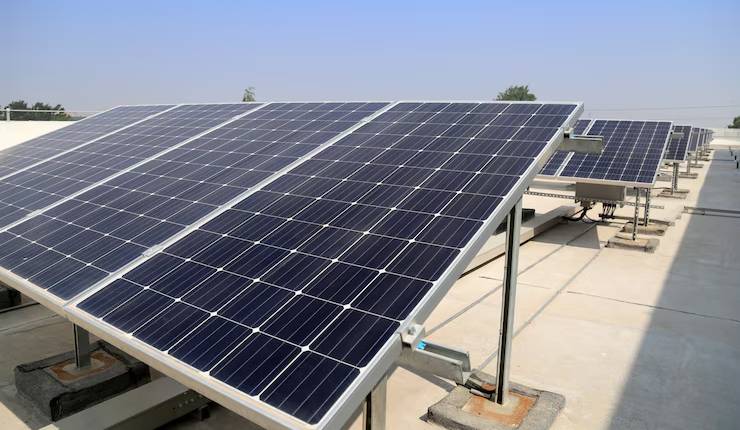
Every homeowner in Ontario knows the frustration of opening another sky-high electricity bill. With energy costs climbing year after year, more families are looking at their rooftops and wondering if there’s a better way forward. The answer increasingly lies in renewable energy systems that can slash monthly bills while reducing environmental impact. But diving into solar or wind power isn’t something you want to get wrong – the stakes are too high.
Getting solar panel installation Ontario right means working with professionals who understand local conditions and regulations inside and out. The difference between a properly sized system and one that’s too big or too small can cost thousands in wasted money or missed savings opportunities. Expert installers know how to evaluate your roof’s potential, account for shading from nearby trees or buildings, and ensure everything meets provincial building codes. Skip the professional assessment, and you might end up with a system that underperforms for decades.
When it comes to residential solar panels Ontario homeowners choose, quality makes all the difference between a smart investment and an expensive mistake. Premium panels handle Ontario’s harsh winters and scorching summers without losing efficiency, while cheaper alternatives often fail within the first few years of operation. The upfront cost difference between high-quality and budget panels seems significant, but when you factor in replacement costs and lost energy production, cheap panels become very expensive. Smart homeowners invest in proven technology from established manufacturers with solid warranty coverage.
Getting the Right Equipment and Placement
- Quality Components Matter More Than Price: The solar industry is flooded with cheap imports that promise the same performance as premium equipment at half the cost. What they don’t tell you is how these bargain components perform after five years of Canadian weather. Quality solar panels, inverters, and mounting hardware cost more initially but deliver consistent performance for 25+ years without needing frequent repairs or replacements. Homeowners who chase the lowest price often find themselves replacing failed components while their neighbours with quality systems enjoy trouble-free operation.
- Location Determines Everything: Your roof’s orientation and angle determine how much energy your system can actually produce, regardless of how much you spend on the chosen equipment. South-facing roofs with minimal shading generate the most power, but even east and west-facing installations can work well with proper design. Trees that seem insignificant now might cast shadows that reduce your system’s output by 30% or more as they grow. Professional site analysis reveals these issues before installation, not after you’ve already invested thousands in equipment.
- Professional Installation Protects Your Investment: Solar installation involves working with high-voltage electricity on your roof – not exactly a DIY weekend project. Certified installers carry insurance, understand electrical codes, and know how to properly weatherproof all connections to prevent fires or water damage. They also handle permits and utility interconnection paperwork that can take months to sort out if done incorrectly. Trying to save money with inexperienced installers often results in code violations, voided warranties, and expensive repairs.
Smart Technology Integration
- Monitoring Shows What’s Really Happening: Without proper monitoring, you won’t know if your system is performing as expected or slowly degrading due to equipment problems. Modern monitoring systems track individual panel performance and alert you to issues before they become expensive failures. Many homeowners discover their systems have been underperforming for months simply because they weren’t paying attention to the data. Real-time monitoring helps you understand your energy patterns and identify opportunities to reduce consumption during peak rate periods.
- Battery Storage Changes the Game: Adding battery storage to your solar system means you’re not completely dependent on the grid during outages or peak pricing periods. Modern lithium batteries can power essential circuits for hours or even days, depending on your usage and system size. The technology has improved dramatically over the past few years while costs have dropped significantly. However, improperly sized battery systems either run out of power too quickly or represent wasted capacity that never gets used.
Taking Advantage of Ontario Incentives
- Federal Programs Reduce Upfront Costs: The Canada Greener Homes Grant provides substantial rebates for qualified renewable energy installations, but the application process has specific requirements and deadlines. Many homeowners miss out on thousands in rebates simply because they didn’t complete the required energy audit or submit paperwork on time. The program covers both system costs and the required pre- and post-installation audits, making it easier to justify the investment. However, funding is limited and applications are processed on a first-come basis, creating urgency around timing.
- Provincial Support Varies by Region: Ontario’s net metering program allows you to sell excess electricity back to the grid at retail rates, effectively using the utility as a giant battery. This arrangement can eliminate your electricity bill entirely during peak production months, with credits carrying forward to cover winter usage. The program has specific technical requirements and interconnection procedures that must be followed exactly, or you risk losing your net metering status. Working with experienced installers familiar with utility requirements prevents costly delays and complications.
- Utility Programs Add Extra Value: Many Ontario utilities offer additional rebates and time-of-use rates that favour renewable energy adoption. These programs often include incentives for battery storage systems that help stabilise the grid during peak demand periods. Understanding your local utility’s specific programs and rate structures helps optimise your system design for maximum financial benefit. Some utilities also offer expedited interconnection processes for qualified installers, reducing the time between installation and system activation.
Available incentive programs include several key opportunities:
- Federal rebates through Canada Greener Homes Grant covering up to $5,000 in system costs
- Net metering credits that eliminate monthly electricity bills during peak production seasons
- Time-of-use rates that reward daytime solar production with premium pricing
- Battery storage incentives that provide ongoing payments for grid stabilisation services
System Design Considerations
- Understanding Your Energy Needs: Installing a solar system without understanding your actual energy consumption patterns is like buying a car without knowing how far you need to drive. Detailed energy audits reveal when you use the most power and identify efficiency improvements that reduce the system size you need. Many homeowners discover they can significantly reduce their energy requirements through simple upgrades like LED lighting or programmable thermostats. Right-sizing your system based on actual usage prevents overinvestment in unnecessary capacity.
- Seasonal Performance Variations: Ontario’s winter months present unique challenges for solar energy systems, with shorter days and potential snow coverage reducing energy production. System designs must account for these seasonal variations while ensuring adequate capacity during peak summer production months. Snow typically slides off properly angled panels, but ice dams and heavy accumulation can temporarily reduce output. Understanding these patterns helps set realistic expectations and plan for supplemental heating costs during extended cloudy periods.
Maintenance and Long-term Performance
- Preventive Maintenance Prevents Problems: Solar systems require minimal maintenance compared to other home systems, but neglecting basic upkeep can lead to significant performance losses over time. Regular cleaning removes dust, leaves, and bird droppings that reduce panel efficiency, while visual inspections catch loose connections or physical damage before they cause failures. Most manufacturers require documented maintenance to maintain warranty coverage, making professional service contracts worthwhile for many homeowners. Simple maintenance tasks can prevent expensive repairs and ensure your system delivers promised performance for decades.
- Performance Monitoring Catches Issues Early: Modern solar systems include sophisticated monitoring that tracks individual component performance and identifies problems before they impact energy production. Many homeowners only discover performance issues when their electricity bills suddenly increase, by which time significant energy production has already been lost. Monitoring systems can detect everything from failing inverters to individual panel problems, allowing for targeted repairs rather than system-wide troubleshooting. Without proper monitoring, minor issues often develop into major problems that require expensive emergency repairs.
Conclusion
Renewable energy represents one of the smartest investments Ontario homeowners can make, but success depends on quality equipment, professional installation, and understanding available incentives. The combination of federal rebates, provincial net metering, and utility programs makes solar power more affordable than ever, but these opportunities won’t last forever. Get a professional assessment of your property’s renewable energy potential and start taking advantage of current incentive programs before funding runs out or requirements change.
Featured Image Source: https://img.freepik.com/free-photo/solar-power-power-station_1387-161.jpg
