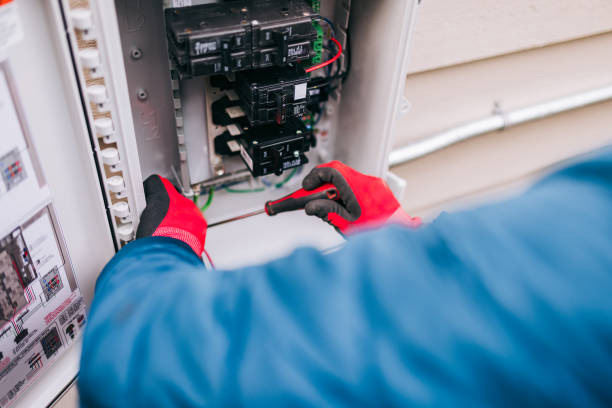
Many homeowners treat electrical problems like isolated incidents. A breaker trips, so they reset it. Lights flicker, so they replace bulbs. Outlets feel warm, so they unplug devices. These quick fixes rarely address the root cause. The real issue often sits inside the main electrical panel, quietly struggling to keep up with modern power demands.
George Brazil Plumbing & Electrical professionals see this pattern repeatedly. Homes built decades ago weren’t designed for today’s electrical loads. Air conditioners, electric vehicle chargers, smart home systems, and high-efficiency appliances all demand more power than older panels can safely deliver. When the panel can’t distribute electricity properly, problems appear throughout the house.
The electrical panel serves as the heart of a home’s electrical system. It receives power from the utility company and routes it to circuits throughout the property. Older panels with insufficient amperage create bottlenecks. Circuits overload. Breakers trip constantly. Some homeowners ignore these warnings and keep resetting breakers, which only increases the fire risk.
Signs That Point to Panel Problems
Frequent Breaker Trips: Breakers that trip regularly indicate the panel can’t handle current electrical demands. Resetting them doesn’t fix the underlying capacity issue. Each trip stresses the system further. Older breakers also wear out over time and may fail to trip when they should, creating dangerous conditions.
Dimming or Flickering Lights: Lights that dim when appliances start up reveal voltage drops caused by inadequate panel capacity. The circuit breaker struggles to maintain consistent power flow. This problem affects more than just lighting. Sensitive electronics can suffer damage from unstable voltage. Computers, televisions, and medical equipment need steady power to function properly.
Warm or Discolored Outlets: Heat at outlets or switches signals dangerous conditions inside walls. Loose connections or overloaded circuits generate heat. Discoloration around outlets shows where heat has scorched the wall plate. These symptoms often trace back to an outdated panel pushing electricity through circuits designed for lighter loads.
The Hidden Connection to Plumbing Systems
Electric Water Heater Performance: Water heaters draw significant power, especially during recovery periods after heavy use. An undersized panel can’t deliver enough electricity for the heater to function efficiently. Recovery times stretch longer. Hot water runs out faster. Some homeowners assume their water heater is failing when the real culprit is the electrical panel.
Whole-Home Impact: Upgrading the panel improves performance across all systems. Electric water heaters heat faster and maintain temperature better. HVAC systems run more efficiently. Kitchen appliances operate at full capacity. The investment in a panel upgrade often eliminates the need for multiple smaller repairs.
Cost Analysis of Upgrades vs. Ongoing Repairs
Short-Term Thinking vs. Long-Term Value: Fixing individual problems might seem cheaper initially. Replace a breaker here, rewire an outlet there. But these costs add up. A panel upgrade addresses the source of multiple issues simultaneously. It also adds value to the property and improves safety.
Insurance and Safety Considerations: Some insurance companies raise premiums for homes with outdated electrical systems. Others refuse coverage entirely. Modern panels with proper grounding systems meet current safety codes. They include AFCI and GFCI protection that older panels lack. These features prevent electrical fires and shock hazards.
Timing Your Panel Upgrade
Before Adding Major Appliances: Planning to install central air conditioning? Considering an electric vehicle charger? Adding a hot tub? Calculate total amperage needs before installation. Most older homes have 100-amp service. Modern homes typically need 200 amps or more. Upgrading the panel before adding new loads prevents future problems.
During Home Renovations: Kitchen and bathroom remodels create perfect opportunities for panel upgrades. The walls are already open. Electrical work can proceed efficiently. Coordinating the panel upgrade with renovation timelines saves money and disruption.
Conclusion
Electrical panels don’t last forever. Ignoring warning signs leads to bigger problems and higher costs. Upgrading the panel solves multiple issues while improving safety and home value.
Featured Image Source: https://media.gettyimages.com/id/2193960985/photo/electrician-working-on-solar-panel-specific-electrical-panel.jpg?s=612×612&w=0&k=20&c=vMizgn-06XVKXyw1olKndaKk8o7uP2ZSp6DDbVSRo84=
