Industrial operations face mounting pressure to meet strict regulatory standards. Certification bodies demand proof of consistent manufacturing quality. Yet many facilities struggle with crimp inconsistencies that threaten compliance and create hidden liability risks.
Understanding Certification Requirements
Regulatory Standards Demand Precision: Finn Power India equipment addresses the growing need for documented quality control in manufacturing environments. ISO 9001, UL, SAE, and DIN certifications require measurable consistency across every production run. Facilities without proper crimping protocols risk failing audits that can shut down operations. The financial impact extends beyond fines; product recalls and warranty claims create lasting damage to reputation and market position.
Documentation Proves Compliance: Every crimp must be traceable and reproducible. Certification auditors examine process documentation, looking for gaps that indicate quality control failures. A crimping machine eliminates the variability inherent in manual operations. Hydraulic systems maintain precise force throughout the crimping cycle. This consistency produces assemblies that meet the tight tolerances required by certification bodies. Manual operations lack the data capture needed for modern compliance requirements.
Equipment Impact on Quality Standards
Process Control Reduces Risk: Temperature variations, operator fatigue, and material inconsistencies all affect crimp quality. Modern equipment compensates for these variables through automated adjustments. The result is a production environment where every assembly meets specification without requiring constant oversight. This reliability translates directly into reduced warranty costs and improved customer confidence.
Digital Records Support Verification: Certification audits require extensive documentation of production processes. Pressure testing protocols demand verifiable records showing that each assembly was crimped within acceptable parameters. Equipment with integrated data logging creates this documentation automatically. Facilities can produce compliance reports at the touch of a button, rather than scrambling to recreate records during audit periods.
Audit Readiness Through Automation
Traceability Requirements:
- Every crimp receives a unique identifier linked to production parameters
- Force measurements are recorded and stored for future reference
- Batch tracking connects finished assemblies to raw material lots
- Quality control checks are documented with timestamps and operator credentials
Field Failures Create Liability: A single failed crimp in a critical application can result in catastrophic equipment damage. Insurance claims, legal fees, and settlement costs dwarf the expense of proper crimping equipment. Facilities that prioritise short-term savings over quality assurance often face unexpected financial burdens when products fail in service. Quality management systems prevent these costly outcomes through consistent process control.
Hidden Costs of Non-Compliance
Certification Loss Impacts Market Access: Many industries require certified components for legal operation. Losing certification status means losing the ability to bid on contracts. Competitors with proper documentation capture market share from facilities that cannot demonstrate compliance. The revenue impact of certification failure extends far beyond the immediate audit period.
Regulatory Penalties Compound Over Time: Non-compliance issues rarely resolve themselves. Each failed audit triggers more frequent inspections and stricter oversight. Facilities enter a cycle of remediation efforts that consume resources without addressing root causes. This pattern continues until management commits to equipment and processes that inherently support certification requirements.
Conclusion
Precision crimping is not optional in today’s regulated industrial environment. Facilities must invest in equipment and processes that support certification requirements whilst reducing exposure to field failures and liability claims. Advanced crimping technology provides the consistency, documentation, and traceability needed to maintain compliance and protect market position. Contact specialised equipment providers to assess current capabilities and identify gaps that threaten certification status.
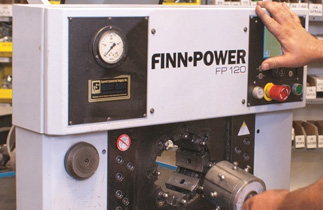
Featured Image Source: https://www.finnpower.in/images/machinery-services.jpg
