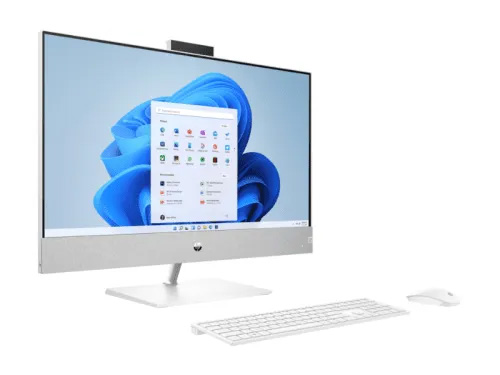
Every office faces the hidden costs of technology chaos. When employees work on mismatched computers and monitors, IT support becomes a nightmare. Help desk tickets multiply. Training takes longer. Productivity suffers because workers can’t easily share files or collaborate on projects requiring similar software performance.
Making Smart Decisions on Hardware Investment: Evaluating desktop computer price options requires thinking beyond initial purchase costs. Businesses that standardise on specific models gain negotiating power with suppliers and reduce the complexity of warranty management. Choosing reliable, business-grade desktops means fewer failures and longer replacement cycles, which translates to predictable budgeting over three to five year periods.
Understanding Display Requirements Across Departments: Analysing monitor price in Kenya reveals significant variations based on screen size, resolution, and panel technology. Offices benefit from establishing department-specific standards rather than buying identical displays for everyone. Accounting teams need dual monitors for spreadsheet work. Design departments require colour-accurate displays. Reception areas function well with basic single screens.
Creating Consistency Without Sacrificing Flexibility
Establishing Core Specifications for Daily Tasks: Most office work happens in web browsers, email clients, and productivity software. Defining minimum specifications around these common applications prevents overbuying expensive hardware while ensuring smooth performance. Eight gigabytes of RAM and solid-state drives deliver responsive experiences for typical business software without unnecessary expenses on gaming-level components.
Planning for Department-Specific Needs: Graphics designers, video editors, and data analysts need more powerful machines than customer service representatives. Creating two or three equipment tiers based on actual work requirements prevents both underpowered frustration and wasteful overspending. Mid-range workstations handle demanding applications without reaching enterprise server pricing.
Streamlining Procurement and Support Operations
Leveraging Volume Purchasing for Better Terms: Buying ten identical desktops costs less per unit than purchasing ten different models. Suppliers offer discounts on bulk orders. Standardisation also simplifies inventory management because replacement parts, spare units, and accessories become interchangeable across the entire fleet. One type of power cable. One monitor connection standard. One set of driver installations.
Reducing Training and Troubleshooting Complexity: IT staff become experts on specific hardware when they support consistent equipment. Problems get solved faster. Remote support becomes easier because technicians know exactly which settings menu to navigate. New employees adapt quicker when their workstation matches the setup shown in training materials and documented procedures.
Building Sustainable Technology Lifecycles
Implementing Staged Replacement Schedules: Smart businesses replace computers in planned waves rather than emergency purchases when machines fail. A five-year lifecycle means replacing roughly twenty percent of workstations annually. This approach spreads costs evenly, maintains technology currency, and prevents the productivity losses from ageing hardware approaching end-of-life failures.
Key benefits of staged replacement include:
- Predictable annual technology budgets
- Consistent performance across the organisation
- Reduced downtime from unexpected hardware failures
- Better negotiating position with suppliers through regular ordering
Managing peripheral devices and Accessories Efficiently: Keyboards, mice, webcams, and docking stations multiply quickly in growing businesses. Standardising these components prevents drawer clutter and simplifies replacements. Employees switching desks can grab any keyboard. Video conferencing works identically in every meeting room. Cable management becomes straightforward when connections stay consistent.
Achieving Long-Term Business Technology Success
Standardisation transforms IT from reactive firefighting into proactive planning. Businesses gain control over technology costs through predictable replacement cycles and volume purchasing advantages. Support teams work more efficiently. Employees experience fewer frustrations from incompatible systems or performance inconsistencies.
Start by auditing current desktop and monitor inventory. Identify the most common use cases across departments. Define two or three equipment tiers matching actual business needs. Then implement staged purchasing to gradually build consistency across your entire organisation.
Featured Image Source: https://www.dataworld.co.ke/wp-content/uploads/2025/01/HP-Pavilion-27_-All-in-One-PC-27-CA2056NH-9W227EA-Intel-Core-i7-13700T-Raptor-Lake-16GB-RAM-512GB-SSD-27_-FHD-Antiglare-IPS-Display-FHD-TNR-SMP-Camera-Windows-11-Snowflake-White-3.png
