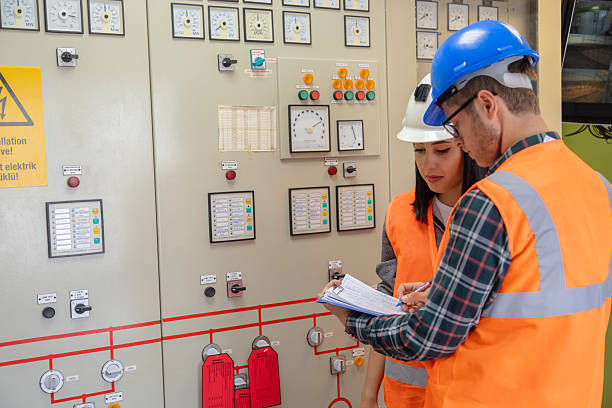
Automation projects often fail due to preventable mistakes like scope creep, incompatible systems, and poor tuning. Disciplined engineering practices identify these issues early, saving time and money through careful planning and execution.
Industrial automation promises efficiency and reduced costs, but the path from concept to implementation is replete with potential problems. Many companies rush into projects without understanding the technical complexities involved. The result is often budget overruns, delayed timelines, and systems that underperform or fail completely. These outcomes damage trust in automation technology and make future projects harder to justify.
Understanding Common Pitfalls
Scope Creep Creates Budget Problems: One of the biggest challenges in automation projects involves oversight of project boundaries by a controls engineer. Initial plans often expand as stakeholders request additional features or modifications during implementation. Each change adds complexity, cost, and potential integration issues. Without strict project management, what started as a straightforward automation upgrade becomes an unwieldy system that takes months longer than planned and costs significantly more than budgeted.
System Compatibility Issues Derail Progress: Poor compatibility between new and existing equipment creates major headaches for automation solutions deployment. Legacy systems may use outdated communication protocols that don’t interface well with modern controllers. Different manufacturers often use proprietary standards that require expensive middleware or custom programming to bridge the gaps. These integration challenges frequently surface late in projects when changing direction becomes costly and time-consuming.
Technical Challenges in Implementation
Loop Tuning Affects Performance: Getting PID controllers dialed in correctly separates functional systems from optimized ones. Poorly tuned control loops cause oscillations, overshooting setpoints, or sluggish response times that reduce product quality. Temperature control in chemical processes, speed regulation in conveyors, and pressure management in pneumatic systems all depend on proper tuning. The difference between acceptable and excellent performance often comes down to careful adjustment of proportional, integral, and derivative parameters.
Sensor Problems Compromise Reliability: Electrical noise, improper grounding, and environmental factors generate false readings that confuse control logic. Sensors placed too close to motors or variable frequency drives pick up electromagnetic interference. Temperature sensors without proper thermal coupling give inaccurate readings, and flow meters installed in turbulent pipe sections produce unstable signals. The following issues create control problems that are difficult to diagnose without systematic troubleshooting:
- Intermittent faults that appear and disappear randomly
- Drifting calibration that gradually degrades accuracy
- Signal dropout during specific operating conditions
- Crosstalk between adjacent sensor cables
Prevention Through Disciplined Practices
Clear Requirements Stop Scope Creep: Detailed specifications created at project start define exactly what the system will and won’t do. Change control processes require formal review and approval for any modifications. This documentation protects both the implementation team and the client from misunderstandings about deliverables. Regular progress reviews keep everyone aligned on goals and timelines.
Compatibility Testing Catches Problems Early: Reviewing communication protocols and equipment specifications before ordering hardware prevents expensive mistakes. Bench testing new components with existing infrastructure identifies integration issues in a controlled environment. This upfront investment saves weeks of troubleshooting during commissioning when pressure to go live is highest.
Structured Commissioning Ensures Quality: Step-by-step startup procedures verify each system component before moving to the next; loop tuning follows established methodologies rather than trial and error, and sensor calibration uses traceable standards and documented procedures. This systematic approach catches problems when they’re easiest to fix.
Conclusion
Successful automation projects don’t happen by accident. They result from careful planning, disciplined execution, and attention to technical details that less experienced teams may overlook. Companies that invest in proper engineering practices avoid the costly mistakes that plague rushed implementations.
Ready to ensure your next automation project succeeds? Start by defining clear requirements and involving experienced professionals from day one.
Featured Image Source: https://media.gettyimages.com/id/2228557870/photo/engineers-collaborating-in-modern-control-room-of-renewable-energy-facility-for-system.jpg?s=612×612&w=0&k=20&c=MyPDFlWg4w2C9oWphIBujjgrjGcyitu4qWpxHq8hZLE=
